Compreendendo a ameaça: Sequestro de veículos e roubo de carga
A questão do sequestro de veículos e roubo de carga surgiu como uma preocupação significativa para o setor de transporte e logística. As estatísticas indicam que houve um aumento alarmante destes incidentes nos últimos anos, com numerosos relatórios revelando que tais crimes têm como alvo veículos que transportam mercadorias de alto valor. De acordo com dados recentes, a taxa global de roubo de carga aumentou consideravelmente, impactando as cadeias de abastecimento locais e internacionais. Esta escalada encorajou as empresas a adotar medidas de segurança mais robustas, como geofencing e botões de pânico, para melhorar os seus protocolos de segurança..
As motivações por trás do sequestro de veículos geralmente decorrem do crime organizado, com sequestradores buscando ganhos financeiros roubando cargas valiosas. As remessas comumente direcionadas incluem eletrônicos, produtos farmacêuticos, e perecíveis, pois esses itens são muito procurados e podem ser facilmente revendidos. Os métodos empregados pelos sequestradores são variados; eles podem envolver o uso de táticas coercitivas, envolver-se em confrontos violentos, ou explorar vulnerabilidades nos horários de transporte. A crescente sofisticação destas técnicas exige uma abordagem proativa à segurança da carga que incorpore soluções tecnológicas para proteger contra sequestro..
O impacto do sequestro de veículos e roubo de carga vai além da perda imediata de mercadorias. Os motoristas muitas vezes experimentam efeitos psicológicos significativos, como estresse e trauma, o que pode prejudicar a sua capacidade de realizar o seu trabalho de forma eficaz. As empresas devem lidar com as consequências económicas destes incidentes, que incluem aumento dos custos de seguro, honorários advocatícios, e a interrupção da cadeia de abastecimento. A probabilidade de atrasos nas entregas pode prejudicar ainda mais o relacionamento com os clientes, resultando em danos à reputação a longo prazo. Como tal, empregar soluções avançadas como rastreadores GPS Protrack e a plataforma de rastreamento GPS Protrack é essencial para mitigar esses desafios e proteger tanto os motoristas quanto a carga.
O que é cerca geográfica? Recursos e benefícios para gerenciamento de frota
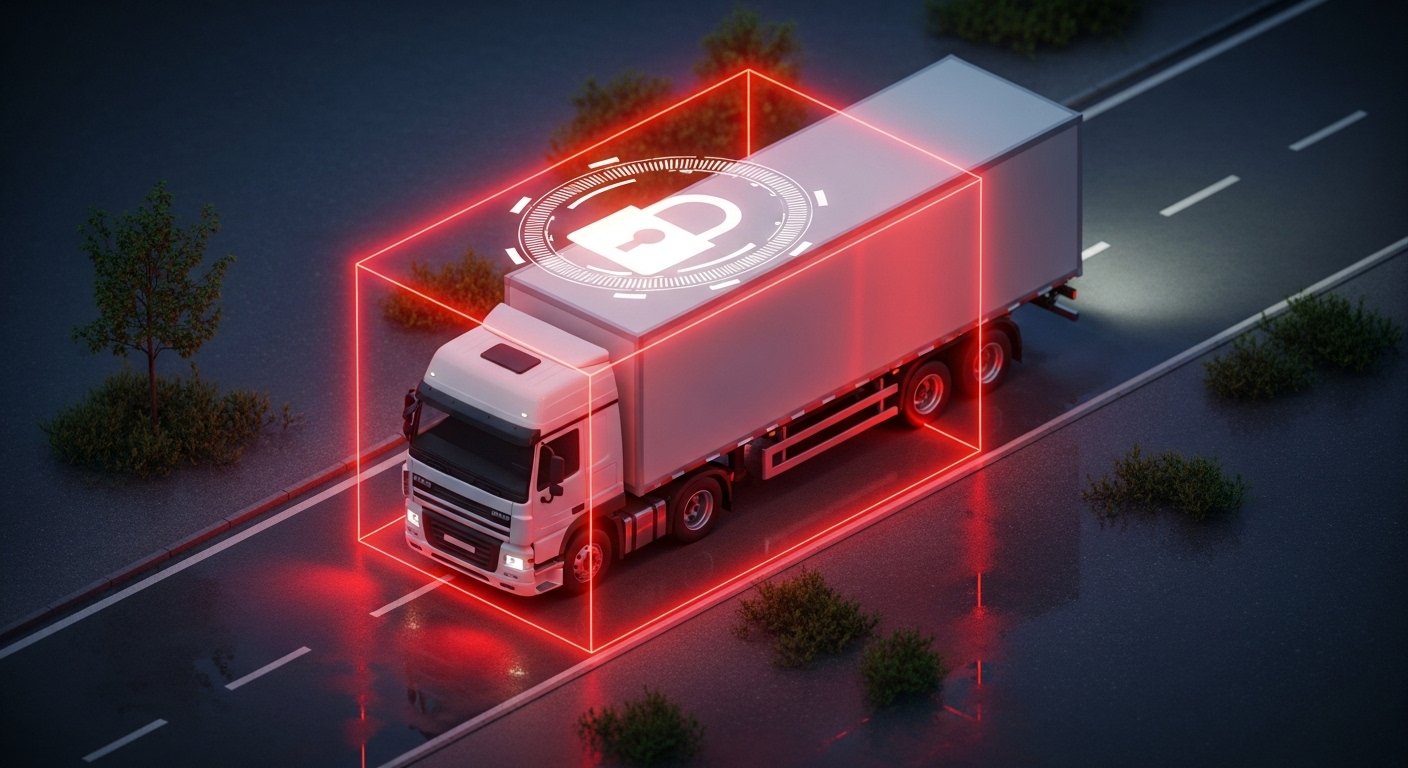
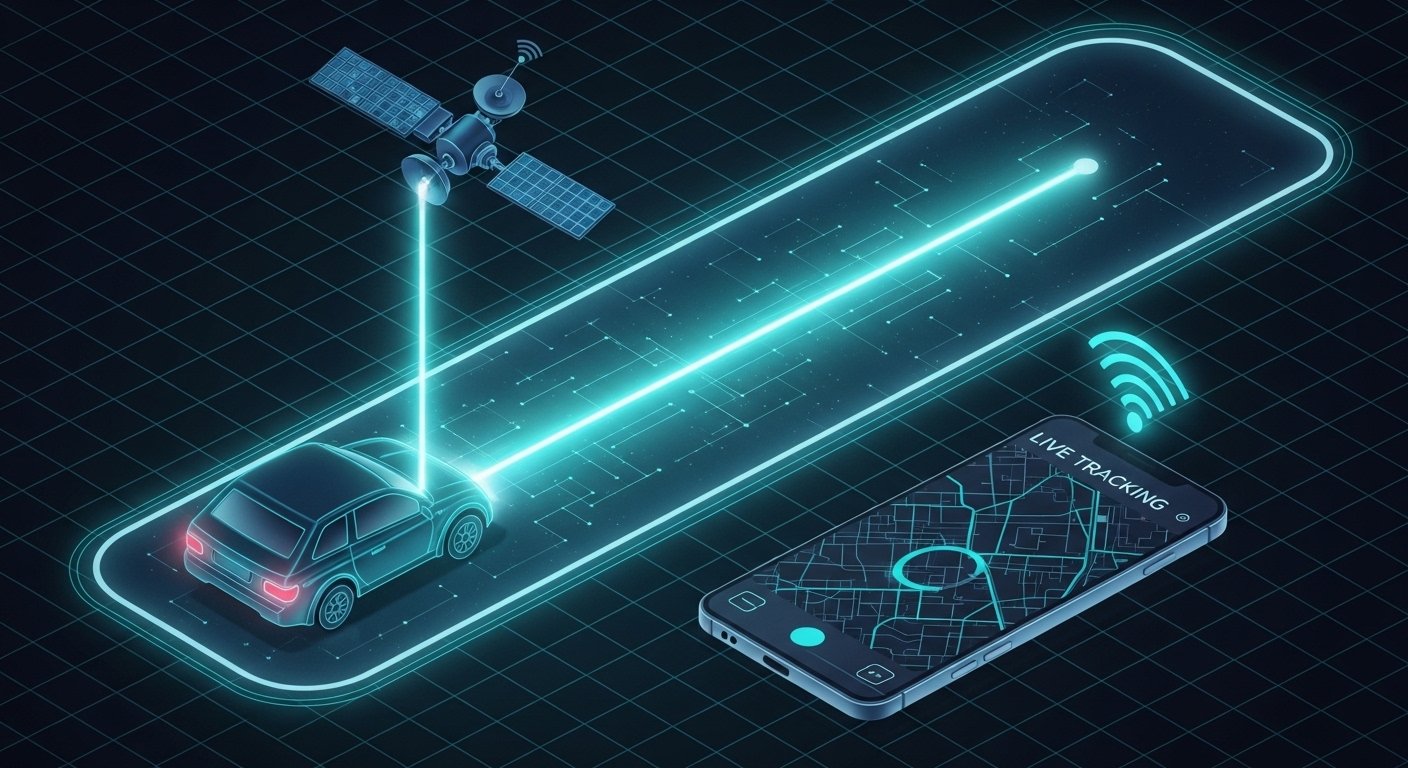
Geofencing é um serviço baseado em localização que utiliza GPS (Sistema de Posicionamento Global) ou RFID (Identificação de radiofrequência) tecnologia para criar limites virtuais em torno de áreas geográficas do mundo real. Ao configurar esses limites predefinidos, as empresas podem monitorar os movimentos de seus veículos em relação a essas zonas, que serve como uma ferramenta crucial para a gestão de frotas. A tecnologia mantém uma conexão contínua com o Plataforma de rastreamento GPS Surack, permitindo coleta e análise de dados em tempo real, o que é vital para aumentar a segurança dos motoristas e da carga.
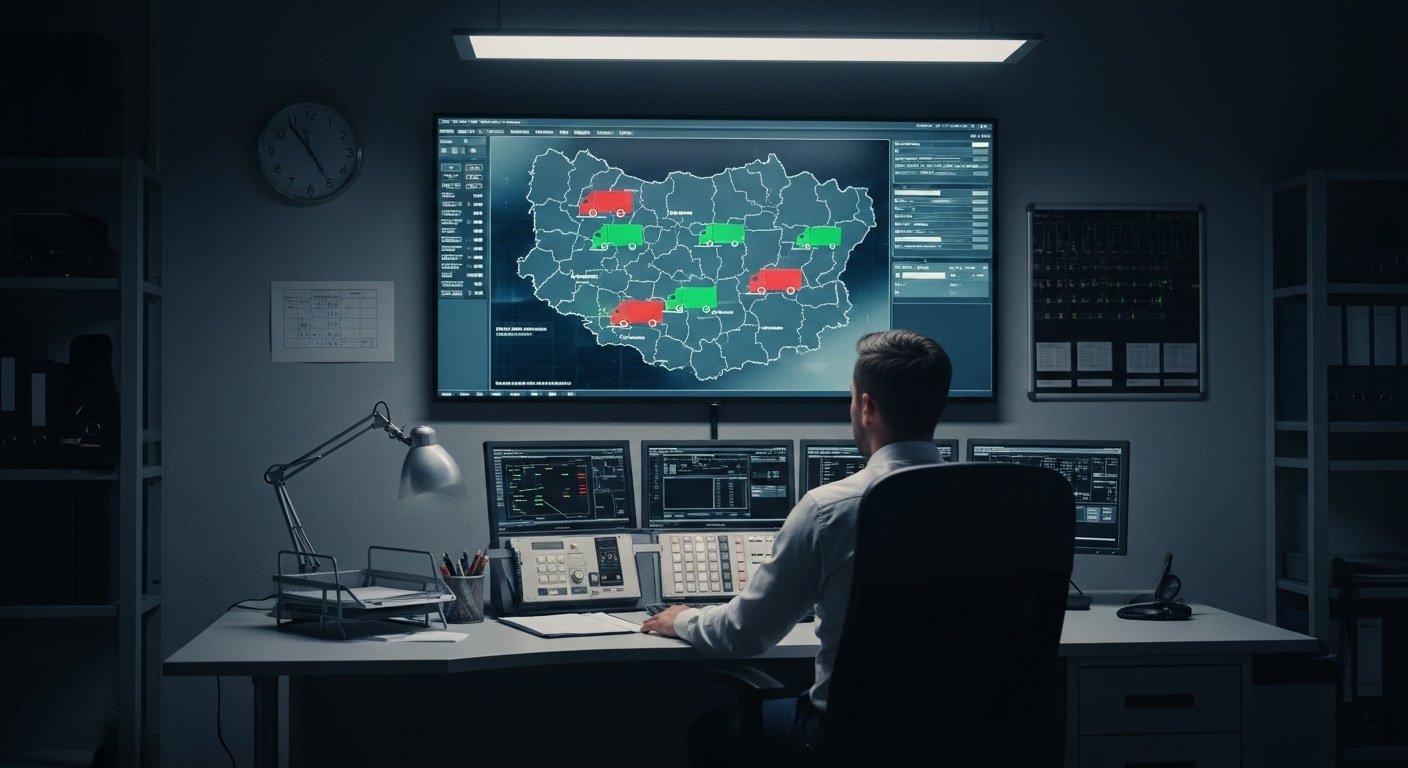
Através da aplicação de geofencing, as empresas podem obter uma série de benefícios operacionais. Primeiro, permite um melhor gerenciamento de rotas, já que os gestores de frotas podem monitorizar a localização dos seus veículos a qualquer momento. Este rastreamento constante não só ajuda a otimizar rotas, mas também a garantir que os motoristas sigam seus caminhos predefinidos. A capacidade de monitorar os movimentos dos veículos permite que as empresas sejam mais proativas na resposta a possíveis problemas, como atrasos ou desvios., que pode, em última análise, proteger contra incidentes de sequestro.
Adicionalmente, geofencing contribui significativamente para a segurança da carga. Ao estabelecer alertas para movimentos não autorizados fora das zonas designadas, os gestores de frota são imediatamente notificados se um veículo se desviar da rota esperada. Isto permite uma intervenção rápida, reduzindo significativamente o risco de roubo ou sequestro. Além disso, a integração de botões de pânico com recursos de cerca geográfica aumenta a segurança do motorista, pois os motoristas podem sinalizar para obter assistência caso se deparem com uma situação de emergência durante o serviço. Geral, os benefícios da cerca geográfica são múltiplos; não apenas agiliza as operações, mas também fortalece o quadro de segurança tanto para os condutores como para a carga.
O poder dos botões de pânico: Melhorando a segurança do motorista
Botões de pânico servem como medida de segurança crucial para motoristas, particularmente em cenários de alto risco, como possíveis situações de sequestro. Esses dispositivos permitem que os motoristas sinalizem para assistência imediata quando perceberem uma ameaça, aumentando assim a sua segurança geral. Os botões de pânico são normalmente integrados a um sistema de segurança mais amplo, que pode incluir plataformas de rastreamento GPS, como o rastreador GPS Protrack, permitindo o monitoramento de localização de veículos em tempo real, mesmo durante emergências.
Após a ativação, um botão de pânico pode acionar um alerta para contatos de emergência designados, serviços de expedição, ou pessoal de segurança, facilitando uma resposta rápida. Esta comunicação rápida pode ser fundamental para garantir que a ajuda chegue ao condutor antes que a situação se agrave. Além disso, muitos botões de pânico modernos estão ligados à tecnologia de geofencing, que permite a delimitação de áreas seguras e a rápida identificação de áreas não autorizadas. Esta integração é inestimável na prevenção de incidentes de sequestro, alertando instantaneamente o motorista e o pessoal de monitoramento caso o veículo ultrapasse suas zonas designadas..
Treinar os motoristas sobre o uso eficaz dos botões de pânico é fundamental; eles devem não apenas estar familiarizados com sua localização e operação, mas também compreender os momentos críticos em que a ativação é garantida. Sessões práticas de treinamento podem simular cenários da vida real para preparar os motoristas para possíveis emergências, equipando-os com a confiança para agir de forma decisiva. Importante, a mera presença de um botão de pânico oferece segurança psicológica, permitindo que os motoristas se sintam seguros sabendo que possuem um mecanismo de resposta imediata. Essa sensação de segurança pode melhorar o foco e o desempenho ao dirigir, contribuindo indiretamente para um transporte mais seguro de carga, em última análise, reforçando a segurança da carga.
Implementando uma estratégia de segurança abrangente: Combinando cerca geográfica e botões de pânico
À medida que o setor de logística enfrenta ameaças crescentes à segurança da carga, as empresas devem adotar uma estratégia de segurança abrangente que proteja eficazmente contra sequestro e garanta o bem-estar dos motoristas. A integração da tecnologia de geofencing e botões de pânico é uma abordagem proativa que pode melhorar significativamente as medidas de segurança. Geofencing envolve o uso da tecnologia GPS para criar limites virtuais, permitindo o monitoramento em tempo real de remessas e rotas de motoristas. Enquanto isso, botões de pânico fornecem um meio imediato de alertar as autoridades em caso de emergência, agindo como um mecanismo de resposta rápida durante situações críticas.
Para implementar essas soluções, o primeiro passo é selecionar os fornecedores de tecnologia certos. As empresas devem priorizar fornecedores como Protrack GPS, que oferecem plataformas avançadas de rastreamento capazes de suportar cercas geográficas e integração de botões de pânico. Avaliando os recursos, confiabilidade, e os serviços de suporte de vários fornecedores ajudarão as empresas a identificar as soluções mais adequadas para as suas necessidades específicas. Seguindo isso, é essencial realizar treinamento completo para funcionários e motoristas sobre como utilizar esses sistemas de forma eficaz. Capacitar os funcionários com o conhecimento e as habilidades necessárias aumentará sua confiança no uso dessas tecnologias, facilitando assim tempos de resposta mais rápidos durante emergências.
Estudos de caso de empresas que integraram com sucesso cercas geográficas e botões de pânico revelam os benefícios práticos desta estratégia. Por exemplo, várias empresas de logística relataram quedas significativas em incidentes de roubo de carga após a implementação dessas tecnologias. A manutenção regular e as atualizações dos sistemas são cruciais para garantir o desempenho ideal. O estabelecimento de um processo de avaliação de rotina permite que as empresas avaliem continuamente a eficácia das suas medidas de segurança e façam os ajustes necessários.. As melhores práticas incluem a revisão regular de relatórios de incidentes e a solicitação de feedback dos motoristas sobre a eficiência dos sistemas integrados.