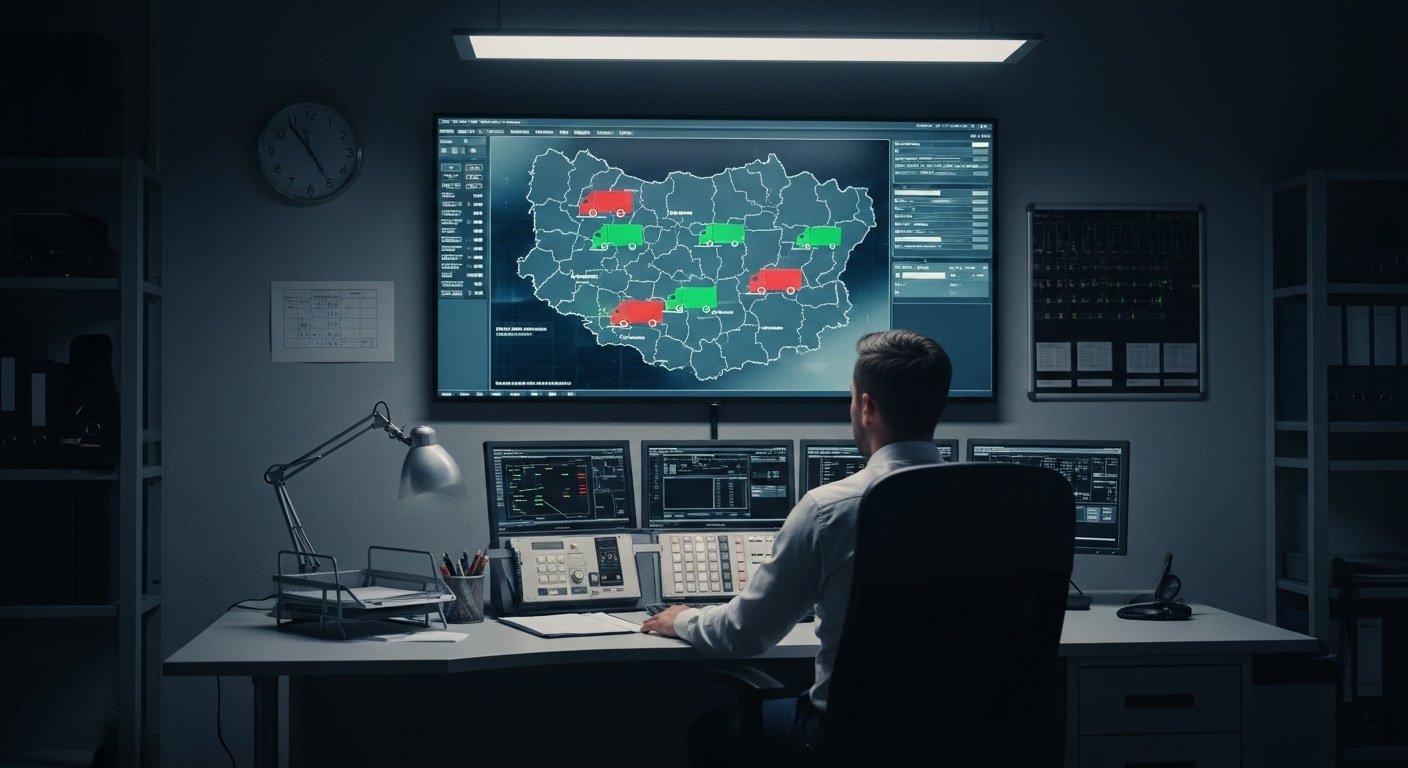
Let’s be honest: the “peace of mind” sold by most security companies is often just a feeling. Real security isn’t about feeling safe; it’s about having actionable data when things go wrong.
Vehicle theft isn’t just a nuisance; it’s a violation. And in an era where thieves use signal relays to clone key fobs in under 60 seconds, a standard car alarm is just noise that your neighbors will ignore. You need a strategy, not just a siren.
Here is the deep dive into how GPS technology actually works, why “passive” tracking is useless for theft, and how to use the Protrack ecosystem to turn a victim moment into a recovery story.
1. The Tech: Active vs. Passive (And Why You Need to Know the Difference)
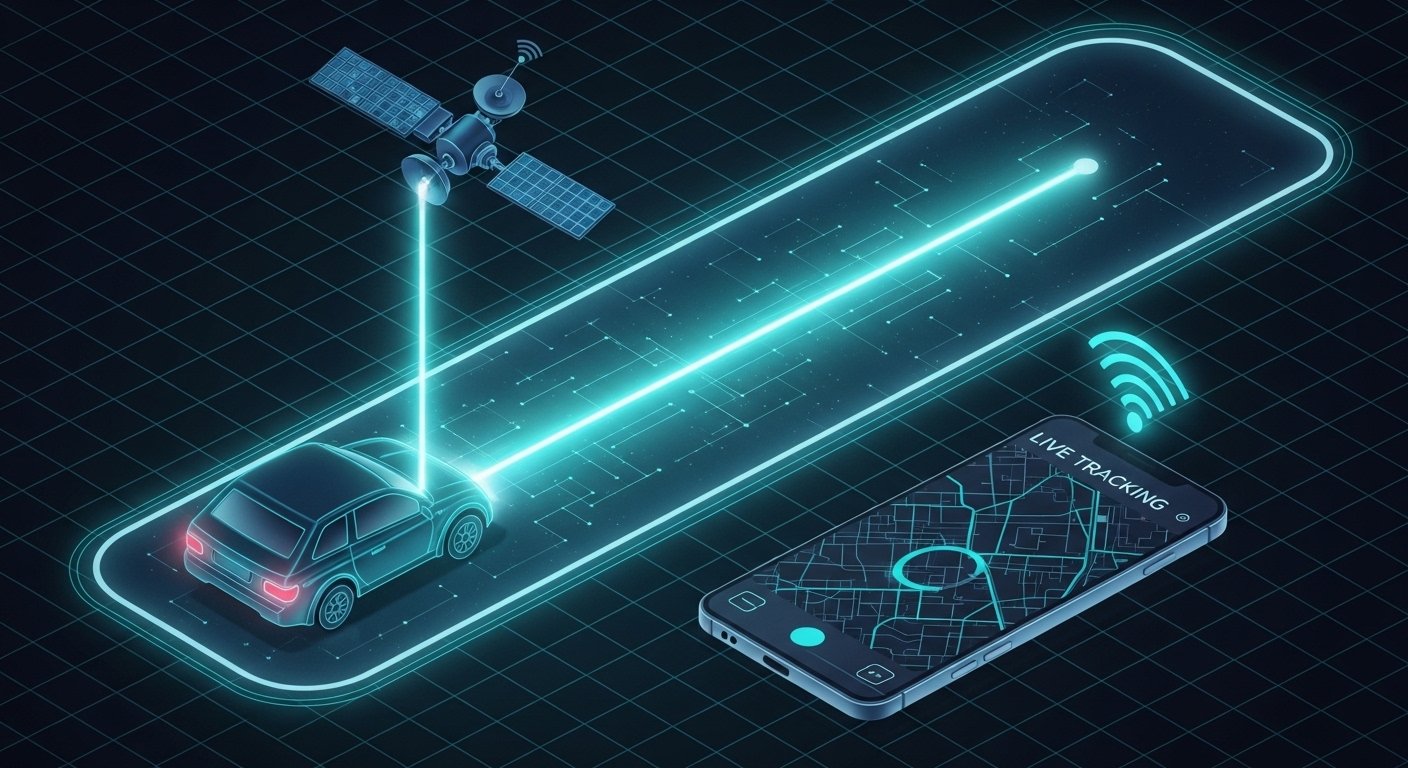
GPS tracking isn’t magic; it’s a conversation between satellites, a receiver (your car), and a server (Protrack). But not all trackers are built the same.
The “Passive” Trap
You will see cheap “passive” loggers on the market. Do not buy these for theft protection. Passive trackers record data to an internal memory card. To see where the car went, you have to physically retrieve the device and plug it into a computer.
-
The Problem: If a thief takes your car, they take the tracker—and the data—with them. Passive tracking is for analyzing historical mileage after a trip, not for finding a stolen asset.
The “Active” Standard (Protrack)
Active tracking is non-negotiable for security. These devices (like the Protrack VT or TK series) use a cellular modem (4G/LTE) to push location data to our servers in real-time.
-
How it works: The device calculates coordinates via GNSS (satellites) and immediately fires that packet to the Protrack GPS App or Protrack365 web platform.
-
The Result: You aren’t guessing where the car was yesterday; you are watching where it is right now.
Hardwired vs. OBD: The Stealth Factor
-
OBD Trackers: Plug-and-play into the diagnostic port under the steering wheel. Great for fleet diagnostics and easy installation, but easier for a thief to spot and unplug.
-
Hardwired Trackers: These are buried deep behind the dashboard, spliced into the vehicle’s power rail. They are invisible to the driver and can trigger an alarm if power is cut. For theft recovery, hardwired is king.
2. Immediate Protocol: What to Do When the Car is Gone
The moment you realize your vehicle is missing, your heart rate spikes. Panic is your enemy. Speed is your ally. Here is the exact “Golden Hour” protocol.
Step 1: Confirm Status via Protrack
Open the Protrack GPS App immediately.
-
Check Status: Is the ignition (ACC) on? Is the vehicle moving?
-
Remote Cut-Off: If your device supports it and is installed with a relay, send the “Cut-Off Fuel/Power” command. This will kill the engine the next time the vehicle slows down (usually under 20km/h) or stops, safely immobilizing the asset so thieves can’t restart it.
Step 2: The Police Call (Do It Right)
Don’t just say “my car was stolen.” Give them ammunition.
-
The Basics: Make, Model, Color, Plate, VIN.
-
The Edge: Tell the dispatcher: “I have a live GPS tracker on the vehicle. I can see it is currently traveling North on [Street Name] at [Speed].”
-
The Share: You can generate a temporary sharing link or screenshot the exact coordinates from the Protrack platform to aid the responding officers.
Step 3: Insurance & Documentation
Call your insurer after the police. The police report number (Case Number) is vital for your claim.
-
Tip: Protrack allows you to pull a History Playback report. Download the log showing exactly when the car left your driveway. This is hard evidence that verifies the time of theft, preventing insurance disputes.
3. Technology as a Force Multiplier
Recovering a vehicle is good; preventing the theft is better. You need to use the full feature set of your telematics system.
Geofencing: The Digital Perimeter
You can’t watch the app 24/7. Set up a Geofence (a virtual boundary) around your home, office, or parking garage.
-
The Trigger: If your vehicle crosses that line at 3:00 AM, the system sends an instant push notification to your phone. You wake up before the car is gone, not after.
ACC Detection (Ignition Alerts)
Set an alarm for “ACC ON.” If your engine starts while you are holding the keys in your kitchen, you know instantly that someone has bypassed the ignition.
4. The “Onion” Approach to Prevention
A GPS tracker is the ultimate recovery tool, but you should layer your security like an onion to deter the attempt in the first place.
-
Block the Relay: Modern thieves use “signal amplifiers” to extend your key fob’s range from inside your house to your driveway, unlocking the car without a key. Solution: Store your keys in a Faraday bag or a metal box at home.
-
Physical Barriers: A steering wheel lock (The Club) looks old-school, but it forces a thief to spend physical effort and make noise. They prefer easy targets.
-
The Hidden Tracker: Don’t put the GPS sticker on the window. Let them think the car is unprotected. When they drive off, the Protrack unit hidden behind the dash becomes your silent witness.
Summary
Vehicle theft is a crime of opportunity and speed. By the time you notice broken glass, the clock is ticking. A Protrack system transforms you from a helpless victim into an active participant in your property’s recovery.
Don’t wait for the empty driveway. Verify your tracker is active, check your geofences, and sleep better knowing you have eyes on your asset.