Understanding GPS Tracking Technology
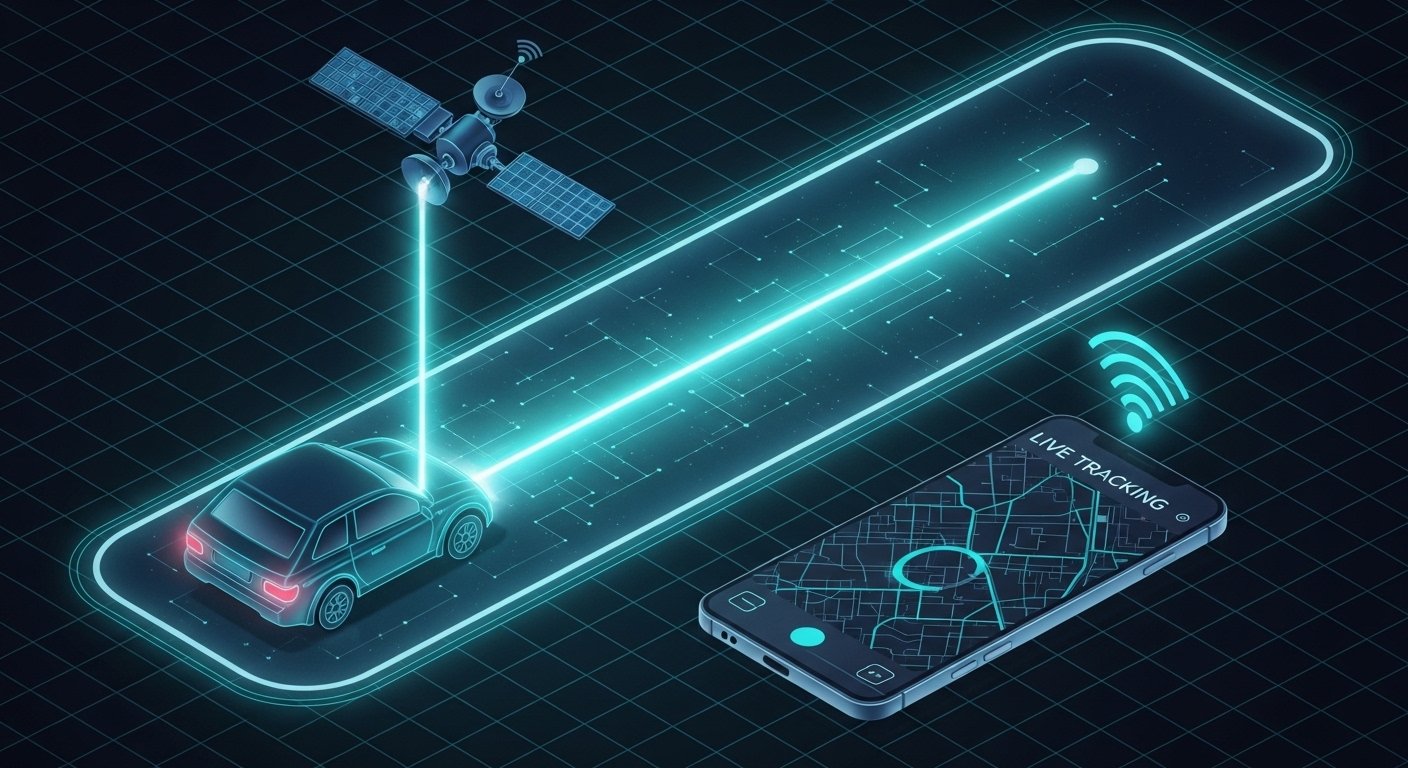
GPS tracking technology has become increasingly prevalent in today’s vehicles, providing valuable insights into vehicle location, health, and performance. At its core, GPS, or Global Positioning System, is a satellite-based navigation system that enables users to determine their precise location anywhere on Earth. To function effectively, a GPS tracking system comprises several key components including a GPS receiver, cellular networks, and occasionally, additional sensors to gather more data.
The GPS receiver is a critical element, acting as the vehicle’s interface with the satellites. It receives signals from multiple satellites to calculate the vehicle’s exact position. These signals are processed by the receiver, converting them into actionable data regarding the vehicle’s location and movement. This information can be transmitted to a central server or directly to users via applications, enabling real-time tracking and monitoring.
In addition to the GPS receiver, many telematics systems utilize cellular networks to relay information about the vehicle. The data collected by the GPS receiver is transmitted through the cellular network to a cloud-based system where analysis can occur. This enables users to access real-time insights on vehicle health, performance records, and location history through various digital platforms.
Furthermore, hardwired trackers are a common implementation of telematics technology. These devices are integrated into the vehicle’s electrical system, ensuring reliable data transmission without the risk of a GPS drain battery associated with portable trackers. The integration minimizes concerns over vehicle battery drain while providing continuous monitoring and detailed vehicle health reports.
Understanding these foundational elements of GPS tracking technology is essential for examining telematics myths related to battery consumption and overall efficiency in modern vehicles.
Common Misconceptions About Battery Drain
Many vehicle owners harbor concerns regarding the impact of GPS tracking devices on their vehicles, particularly focusing on the potential for battery drain. One prevalent misconception is that telematics systems, specifically hardwired trackers, significantly diminish a vehicle’s battery life. In reality, modern GPS devices are designed to be energy-efficient, consuming minimal power compared to many conventional electronic components found in vehicles.
A common premise amongst skeptics is rooted in the belief that a tracking device’s constant connectivity to satellite networks could hasten vehicle battery drain. However, it’s essential to recognize that the energy consumed by a telematics unit is relatively modest when compared to the energy usage of other systems, such as those used for air conditioning, heating, or high-powered audio systems. As it stands, telematics myths tend to exaggerate the actual ramifications of GPS technology on battery health.
Another misunderstanding involves the idea that leaving a vehicle’s GPS tracker active during long periods of inactivity could lead to significant battery depletion. While it is true that any electronic device draws power, the actual drain caused by most trackers is negligible in this context. They typically feature energy-saving modes, activating only when necessary, thereby reducing the risk of draining the vehicle’s battery.
Concerns about vehicle battery drain can often arise from unrelated factors, such as the age of the battery itself, condition of the alternator, or other energy-draining accessories. It is vital to address these aspects rather than placing undue blame on the GPS tracking technology. By separating fact from fiction, vehicle owners can make more informed decisions regarding telematics systems and their perceived risks. In conclusion, GPS tracking does not typically result in substantial battery drain, and many of the telematics myths circulating in discussions can be effectively dispelled.
Factors Affecting Battery Life With GPS Trackers
The integration of GPS trackers in vehicles has led to numerous discussions regarding their potential impact on vehicle battery life. Understanding what influences battery performance when employing telematics solutions is critical for vehicle owners who wish to maintain optimal vehicle health.
Firstly, the type of GPS tracker installed plays a significant role in battery consumption. Hardwired trackers, for instance, are directly connected to the vehicle’s battery. This connection can provide a stable power supply, often leading to minimal battery drain. Conversely, portable GPS trackers, which rely on internal batteries, might require regular charging, and over time can contribute to the vehicle battery drain if not managed correctly.
Another factor is the installation method of the telematics device. A poorly installed tracker could lead to unwanted battery consumption. Ensuring proper installation can mitigate unnecessary strain on the vehicle’s electrical system and, subsequently, its battery life. The make and model of the vehicle are also critical; certain vehicles are designed with advanced battery management systems that can effectively handle the additional load from a GPS device, while others may be less equipped to do so.
Driving habits significantly affect battery longevity as well. For example, frequent short trips may not allow the battery to fully recharge, potentially leading to faster deterioration. In contrast, long drives provide ample time for the vehicle’s alternator to recharge the battery, lessening the impact of any additional drain caused by telematics devices. Understanding these factors can help vehicle owners dispel telematics myths surrounding GPS tracker usage and battery performance. Through careful consideration of these elements, one can optimize vehicle health while utilizing GPS tracking technology.
Best Practices for Battery Maintenance with GPS Devices
Maintaining optimal battery health is crucial for vehicle owners who utilize GPS tracking devices. The integration of telematics systems can indeed lead to concerns about vehicle battery drain, but with the right practices, these worries can be effectively mitigated. One of the most effective strategies is to perform regular battery checks. Frequent evaluations of the battery’s voltage and overall condition can preemptively address potential issues before they escalate. This proactive measure ensures that any drop in battery performance is promptly identified and rectified.
When selecting a GPS tracking system, it is essential to choose one that fits the vehicle’s specific requirements without burdening the battery excessively. A hardwired tracker, for instance, can be integrated into the vehicle’s electrical system, enabling it to draw power directly from the battery. This limits the chances of significant battery drain that could occur with portable or less efficient models. Vehicle health monitoring systems that intelligently manage power usage can also be a beneficial choice, as they are designed to minimize any potential stress on the battery.
Installation plays a vital role in battery maintenance as well. Properly securing the GPS device ensures that it functions efficiently, reducing unnecessary power consumption that could lead to vehicle battery drain. Avoiding areas that could cause short circuits or excessive heat exposure is essential. Additionally, it’s advisable to disconnect or switch off tracking devices if they are not needed for extended periods, thus conserving the vehicle’s battery life.
By following these best practices, vehicle owners can maintain their battery health while taking full advantage of telematics capabilities. The concern about telematics myths regarding battery drain can be alleviated through diligent monitoring and informed choices when it comes to GPS tracking solutions.