Let’s be honest: most people take the Global Positioning System (GPS) for granted until their phone dies in the middle of nowhere. Originally a Cold War military asset, GPS technology went public in the 90s and has since become the invisible backbone of modern logistics.
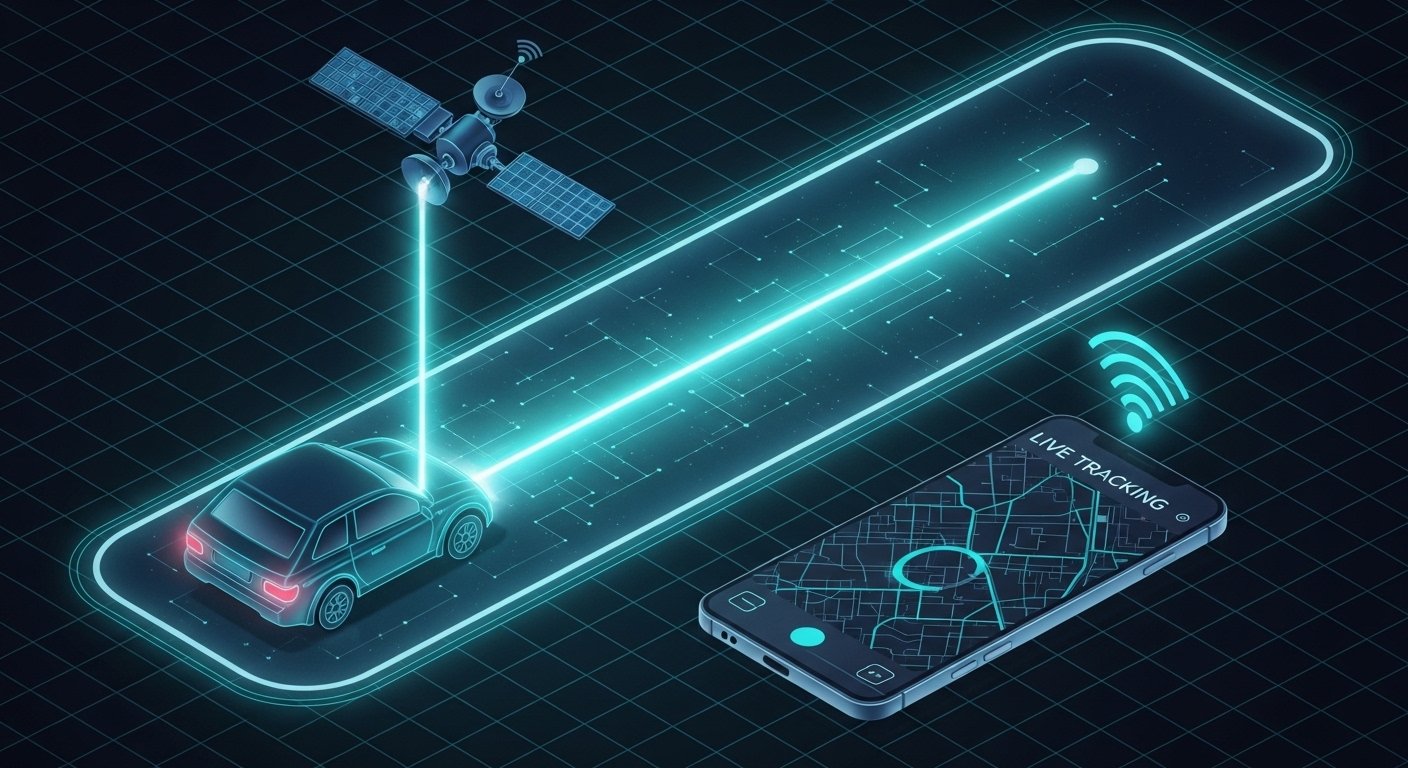
At its core, a GPS system is a mathematical marvel. It utilizes a constellation of satellites to triangulate signals with receivers on Earth. By calculating the time delay of these signals, a device determines your exact coordinates. But today, it’s no longer just about knowing where you are; it’s about knowing what is happening around you.
Why Modern GPS Matters (Beyond Maps)
The narrative has shifted from simple “navigation” to “intelligent monitoring.”
- Automotive Integration: It’s not just a map; it’s a data center providing real-time traffic, route optimization, and predictive analytics.
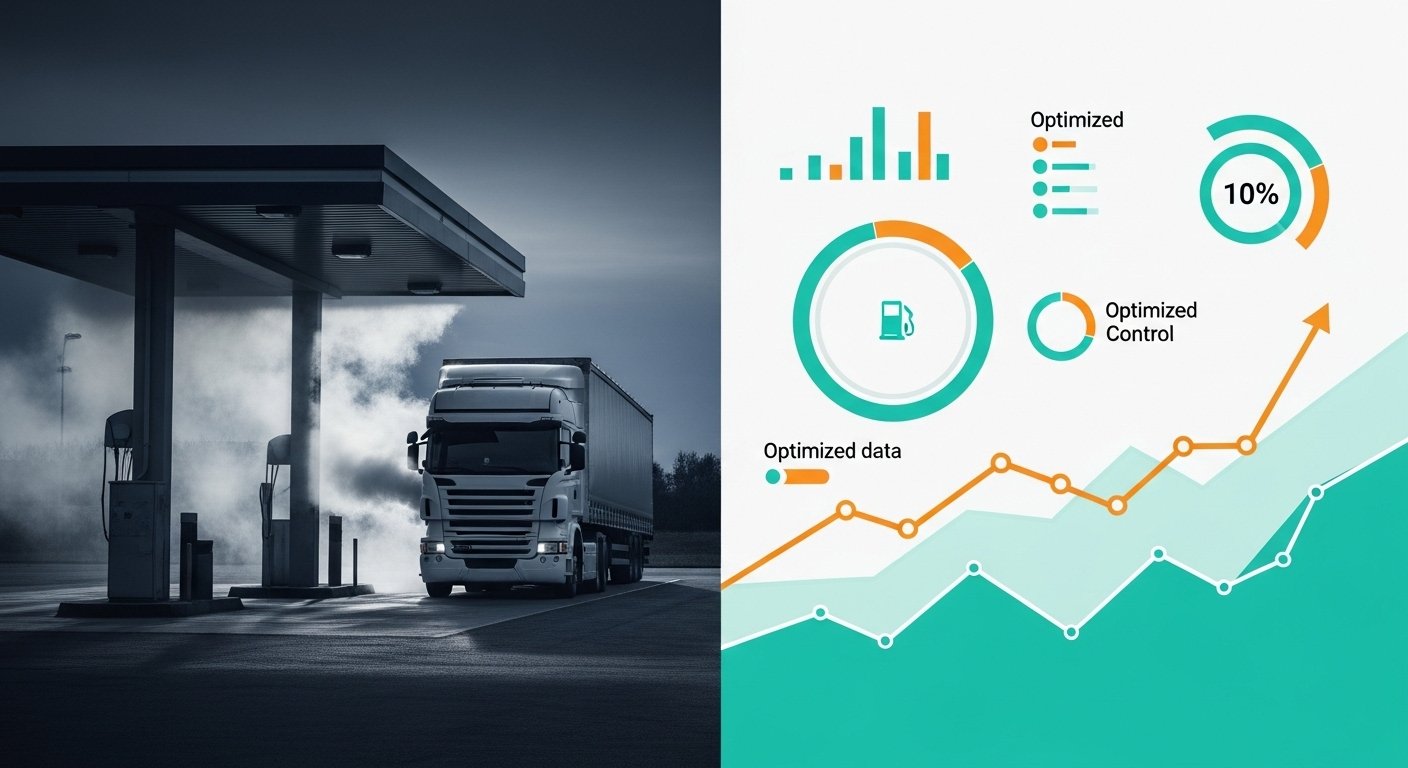
- Fleet Management: This is where the ROI lives. Advanced hardware, such as the Protrack GPS tracker, allows businesses to monitor vehicle health, driver behavior, and asset location simultaneously.
- Cross-Industry Utility: From precision agriculture to wildlife research, GPS provides the granular data needed to make high-stakes decisions.
The Silent Guardian: How GPS Data Reduces Accidents
There is a direct correlation between GPS adoption and road safety. It’s not magic; it’s information superiority. When drivers know what lies ahead, they stop reacting blindly and start driving proactively.
Key Safety Impacts of GPS Technology:
| Feature | Mechanism of Action | Safety Outcome |
|---|---|---|
| Real-Time Traffic | Reroutes drivers away from gridlock and hazards. | Reduces rear-end collisions and road rage. |
| Speed Limit Alerts | Auditory warnings when limits are exceeded. | Lowers high-speed crash severity. |
| Hands-Free Guidance | Voice-guided turn-by-turn navigation. | Minimizes visual distraction (eyes off the road). |
The Data Doesn’t Lie
Industry analysis supports this shift. While older studies cited generic improvements, modern telematics data shows that fleets utilizing active monitoring (like those equipped with Protrack solutions) often report a significant drop in distracted driving incidents. The logic is simple: when a driver knows they are being routed efficiently and monitored for safety, erratic behaviors like sudden lane changes or panic braking decrease significantly.
Expert Note: It’s not just about the device; it’s about the feedback loop. GPS systems transform driving from a solitary, guessing game into a supported, data-backed process.
Behavioral Psychology: GPS as a Driving Instructor
The most underrated aspect of GPS technology is its ability to rewire driver psychology. Uncertainty is a leading cause of erratic driving. When you don’t know where the exit is, you make dangerous cuts across lanes.
Modern systems act as a cognitive crutch, reducing the “mental load” on the driver.
- Confidence Boost: Clear instructions reduce the anxiety of navigating unfamiliar territories.
- Accountability: In commercial settings, trackers create a digital paper trail. Drivers are less likely to speed or idle unnecessarily when they know the data is being logged.
- Proactive vs. Reactive: Instead of slamming brakes for a sudden jam, congestion warnings allow for a gradual slowdown.
The Future Road: AR, AI, and Autonomous Tech
We are standing on the precipice of the next GPS revolution. The current tech is “reactive” (telling you where you are); the future is “predictive” (telling you what will happen).
- Autonomous Integration: Self-driving cars don’t just “see” the road; they feel it through intricate GPS coordinates combined with sensor fusion. High-precision trackers will be critical in reducing the human error that currently causes 90% of accidents.
- Augmented Reality (AR): Forget looking at a 2D map. Future windshields will overlay navigation arrows directly onto the real world, virtually eliminating the need to look away from the road.
- Predictive Analytics: Imagine a system that warns you of a collision risk before you even see the other car, based on historical accident data and real-time vector analysis.
Conclusion
GPS technology has graduated from a convenience feature to a critical safety infrastructure. whether it’s a consumer using Google Maps or a logistics giant deploying Protrack GPS trackers for fleet efficiency, the result is the same: enhanced awareness, reduced risk, and a safer environment for everyone on the road. As AI and AR join the party, the definition of “safe driving” is about to be rewritten entirely.