Olvida lo que crees saber sobre el GPS. Si todavía cree que los sistemas de posicionamiento global consisten simplemente en llegar del punto A al punto B sin pedir direcciones, estás atrapado en 2010.
En el panorama automovilístico actual, Tecnología GPS: soluciones telemáticas específicamente avanzadas como prortrack—ha evolucionado de una herramienta de navegación pasiva a una activa, supervisor de seguridad basado en datos. Ya no se trata sólo de dónde eres; se trata de cómo te comportas mientras estás ahí.
El cambio: De la navegación a “Monitoreo activo”
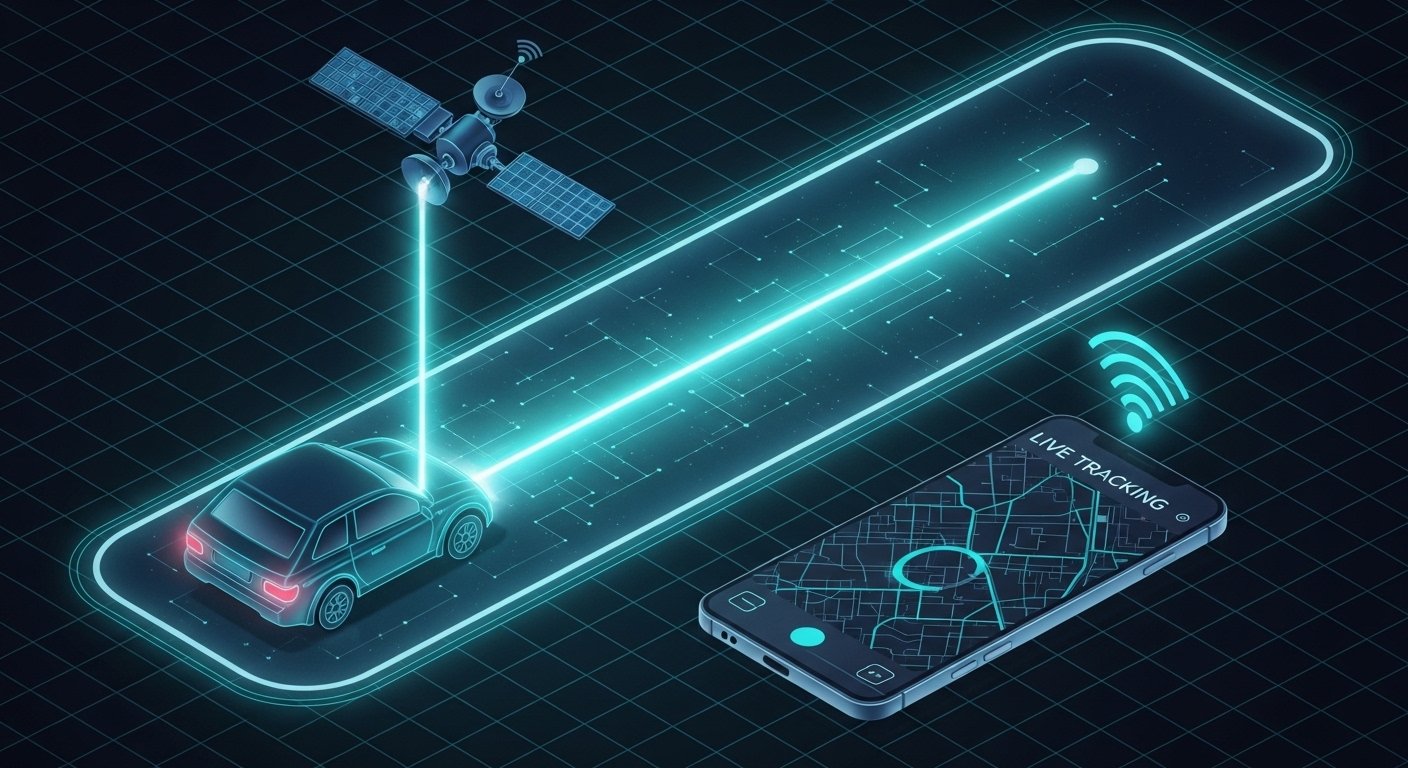
Los primeros días del GPS se definieron por triangulación y coordenadas.. Hoy, el juego es Telemática. Así es la integración del GPS con el diagnóstico a bordo.
¿Por qué esto importa?? Porque los conductores humanos no son confiables. nos distraemos, aceleramos, y nos vamos a la deriva. Un robusto sistema GPS actúa como auditor imparcial.
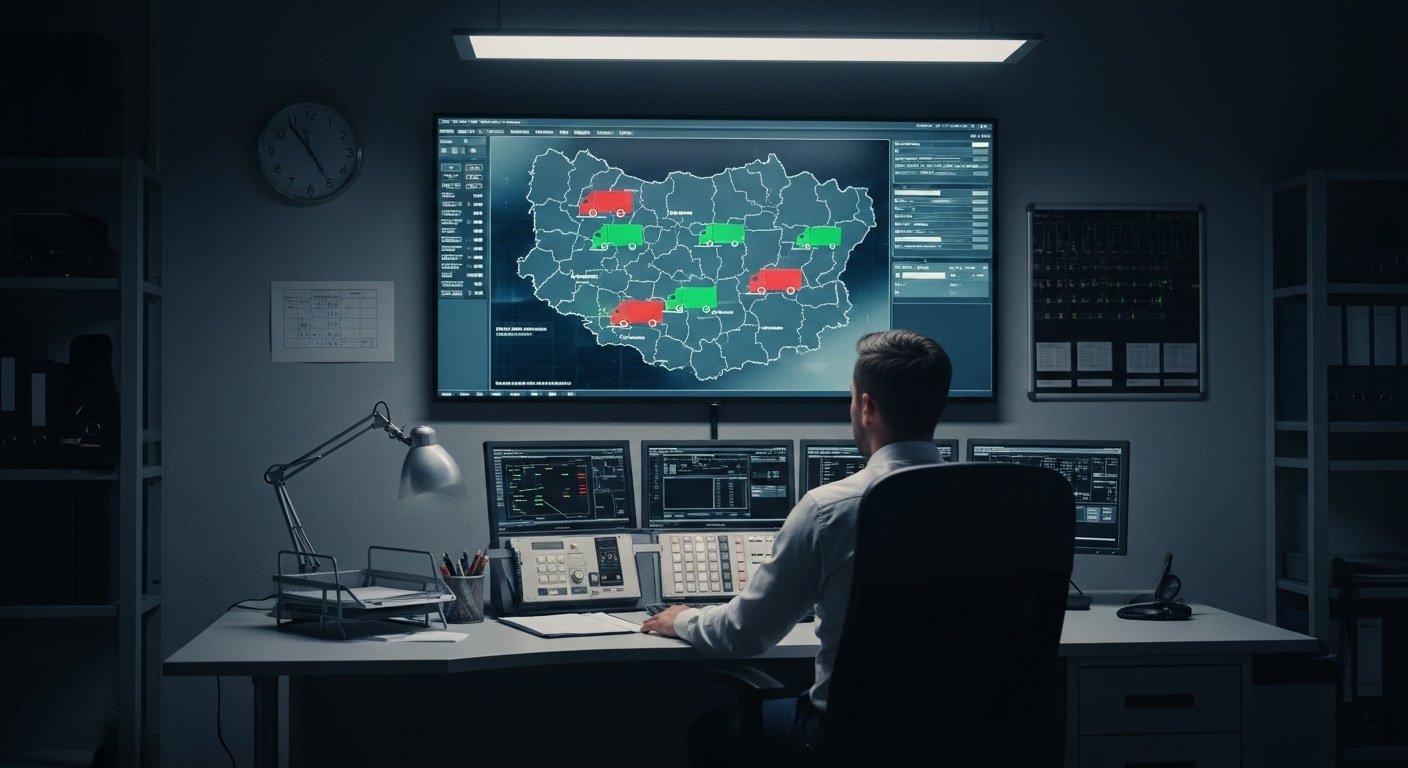
- Gestión de flotas: No se trata sólo de asegurarse de que la pizza llegue caliente; es asegurarse de que el conductor no se pasó tres semáforos en rojo para llegar allí.
- Responsabilidad de activos: Soluciones como el rastreador GPS Protrack no se limitan a colocarse en un mapa; registran arranques del motor, tiempos de ralentí, y desviaciones de ruta.
La verificación de la realidad: Un sistema GPS no sólo te dice dónde está el coche; te indica si el conductor está tratando el coche como un profesional o un especialista.
La psicología de la seguridad: El “Efecto espino”
Aquí está la ciencia del comportamiento detrás de la tecnología.. El “Efecto espino” Establece que los individuos modifican un aspecto de su conducta en respuesta a su conciencia de ser observados..
Cuando un conductor sabe que su vehículo está equipado con un prortrack unidad que registra la velocidad, dureza de frenado, y acorralando las fuerzas G, su psicología cambia.
- Cumplimiento de velocidad: No es sólo mirar una señal; es saber que se activará una alerta digital si excede el límite en 10%.
- Descarga cognitiva: Los modernos sistemas GPS se encargan de la planificación de rutas. (evitar el tráfico, advertencias de peligro), permitiendo al conductor concentrarse 100% en el control del vehículo en lugar de entrecerrar los ojos ante las señales de tráfico.
- Reducción de la ansiedad: La incertidumbre provoca una conducción errática (cambios repentinos de carril, frenado). Al proporcionar una guía de carril clara y precisión de ETA, El GPS elimina el pánico de la ecuación de conducción.
Los datos: Por qué a las aseguradoras les encanta el GPS
Veamos los números concretos. La correlación entre la adopción de la telemática GPS y la reducción de accidentes es innegable. Esta es la razón “Seguro basado en el uso” (RBU) se está haciendo cargo.
| Métrico | Flota Tradicional (No GPS) | Flota conectada (GPS/Telemática) | El “prortrack” Impacto |
|---|---|---|---|
| Frecuencia de accidentes | Línea base alta | -20% a -30% | El monitoreo en tiempo real frena los hábitos imprudentes. |
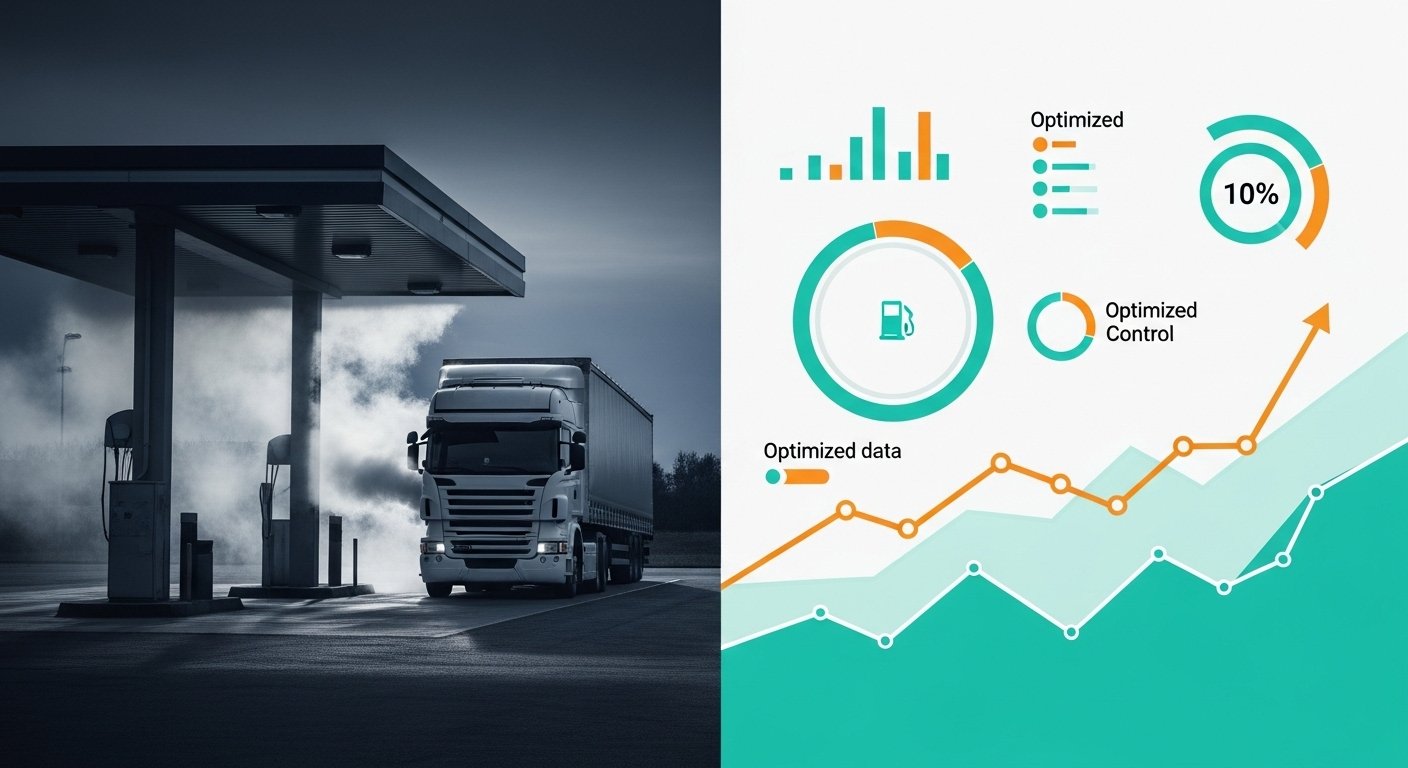
| Eficiencia de combustible | Variable | +15% Mejora | Enrutamiento optimizado + tiempo de ralentí reducido. |
| Tiempo de respuesta | Lento (llamadas telefonicas) | Instante | Despacho automatizado basado en proximidad. |
Datos sintetizados a partir de informes de la NHTSA y puntos de referencia de la industria telemática.
El futuro: No es sólo GPS, Es “V2X”
Estamos al borde de la próxima revolución. El GPS estándar se está convirtiendo en la base para V2X (Vehículo para todo) comunicación.
1. La columna vertebral autónoma
Los coches autónomos no sólo “ver” con camaras; ellos “saber” con gps. Los rastreadores de alta precisión proporcionan la redundancia necesaria cuando las cámaras quedan cegadas por la niebla o la lluvia.. El sistema Protrack del futuro no es sólo un rastreador; es un motor de localización para nivel 4 autonomía.
2. Realidad aumentada (Arkansas) Parabrisas
Olvídate de mirar una pantalla. La próxima generación de navegación superpondrá la ruta del GPS directamente en el parabrisas. (Pantalla de visualización frontal). Esto mantiene los ojos del conductor estrictamente en la carretera., superposición de peligros y giros en 3D en tiempo real.
3. Seguridad predictiva
El GPS actual dice “Tráfico por delante.” GPS del futuro, impulsado por IA, dirá: “Alta probabilidad de hielo negro alrededor de la siguiente curva según el clima actual y los datos históricos de derrape.” Esto desplaza la seguridad de reactivo a profético.
Conclusión
La narrativa que “El GPS vuelve perezosos a los conductores” es falso. Los datos demuestran lo contrario..
Al descargar la carga cognitiva de la navegación e introducir la responsabilidad a través del monitoreo, Sistemas como Protrack están haciendo que nuestras carreteras sean considerablemente más seguras.. No sólo estamos conduciendo de forma más inteligente; gracias a esta tecnología, Conducimos con un copiloto digital que nunca parpadea., nunca se cansa, y nunca envíes mensajes de texto mientras conduces.
Si dirige una flota o simplemente gestiona la seguridad de su familia sin una solución GPS moderna, No estás simplemente volando a ciegas: estás eligiendo aceptar riesgos evitables..