Let’s skip the corporate clichés. If you run a business that relies on vehicles, you already know the stakes are high. Every mile driven, every minute spent idling, and every unscheduled detour eats directly into your bottom line. Managing a fleet shouldn’t mean relying on guesswork or calling your drivers every hour to ask, “Where are you?”
That’s where practical, reliable GPS tracking comes in. Platforms like Protrack—which manufacture their own GPS hardware and maintain their own tracking software—offer a streamlined, no-fluff approach to fleet visibility. By utilizing a closed-loop system of proprietary trackers and a dedicated platform, businesses can stop bleeding money and start taking actual control of their assets.
The Reality of Fleet Optimization (No Sci-Fi Required)
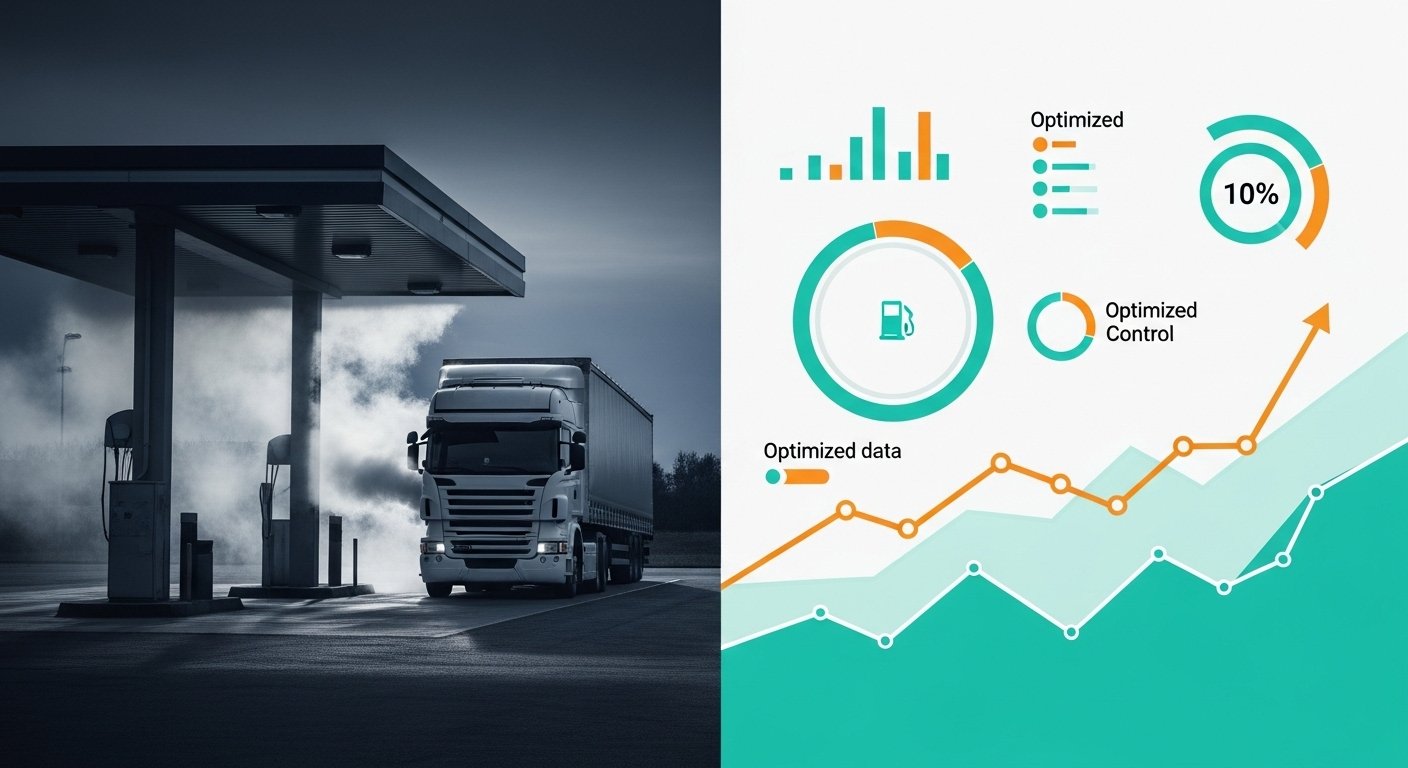
There is a common misconception that you need complex, ultra-expensive AI systems to save money on a fleet. The truth is much simpler: accountability drives profitability. You don’t need real-time fuel gauge sensors to cut fuel costs. You just need to know if a vehicle is doing 80 MPH on the highway or sitting idle outside a diner for an hour with the engine running.
By utilizing Protrack’s reliable location and accelerometer data, businesses can drastically reduce their overhead. When drivers know their speed and location are monitored, unauthorized side-jobs disappear. “Moonlighting” with company assets stops. Idle times drop. The result? A natural, significant reduction in fuel consumption and vehicle wear-and-tear, achieved entirely through basic behavioral accountability rather than expensive add-on sensors.
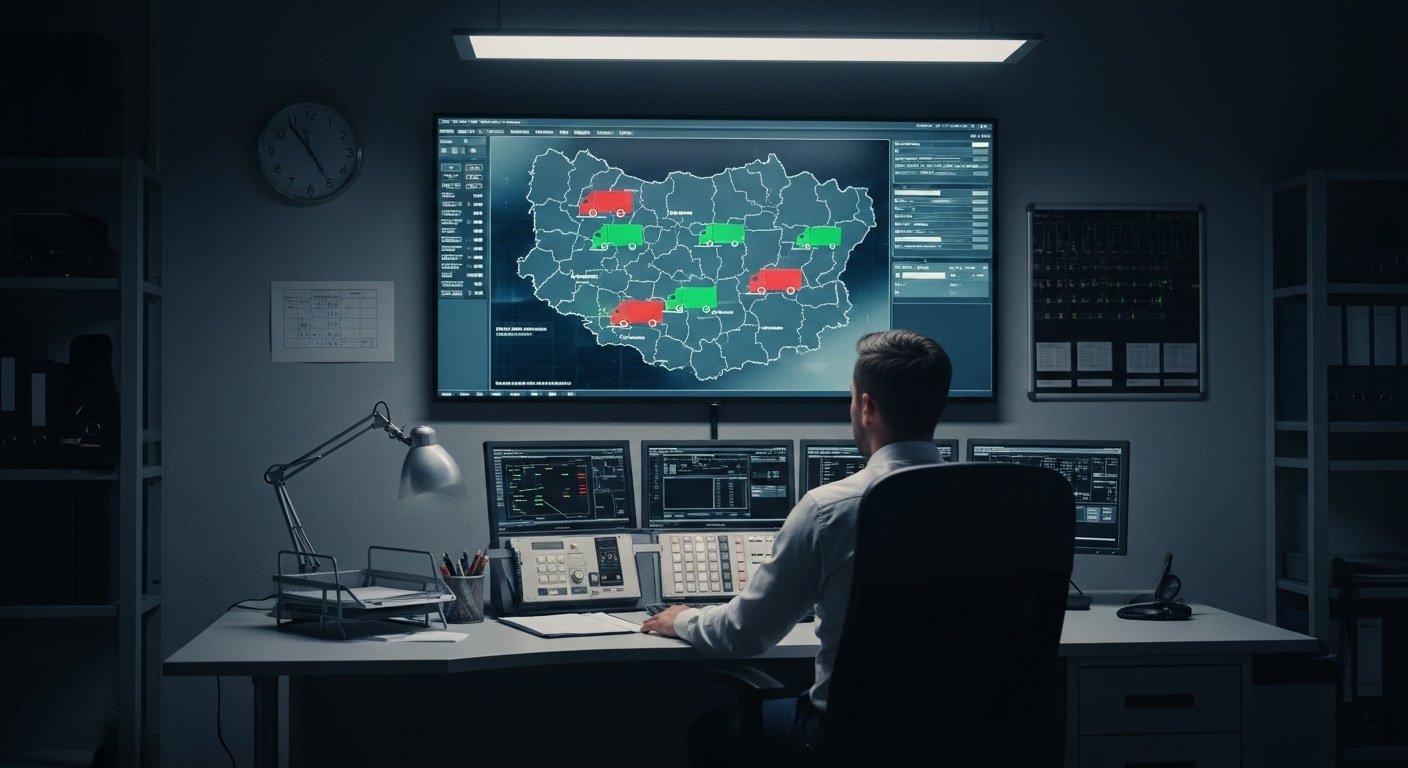
Furthermore, while complex dynamic route-planning algorithms sound great on paper, the reality for most local service businesses is much more straightforward. If a dispatcher can look at the Protrack platform, see exactly where all their vans are right now, and assign an urgent call to the closest technician, they’ve already won. That real-time visibility translates directly to faster response times and happier customers.
Core Capabilities That Actually Matter
Modern GPS solutions don’t need to be bloated with experimental features to be effective. The most powerful tools are the ones you use every day. Here is what an industrial-grade system like Protrack brings to the table:
- Pinpoint Real-Time Tracking & Historical Playback: Knowing where your vehicles are right now is only half the battle. The ability to pull up historical trajectory data allows managers to audit past trips, verify timesheets, and prove to clients that a delivery or service vehicle was exactly where it was supposed to be, exactly when they billed for it.
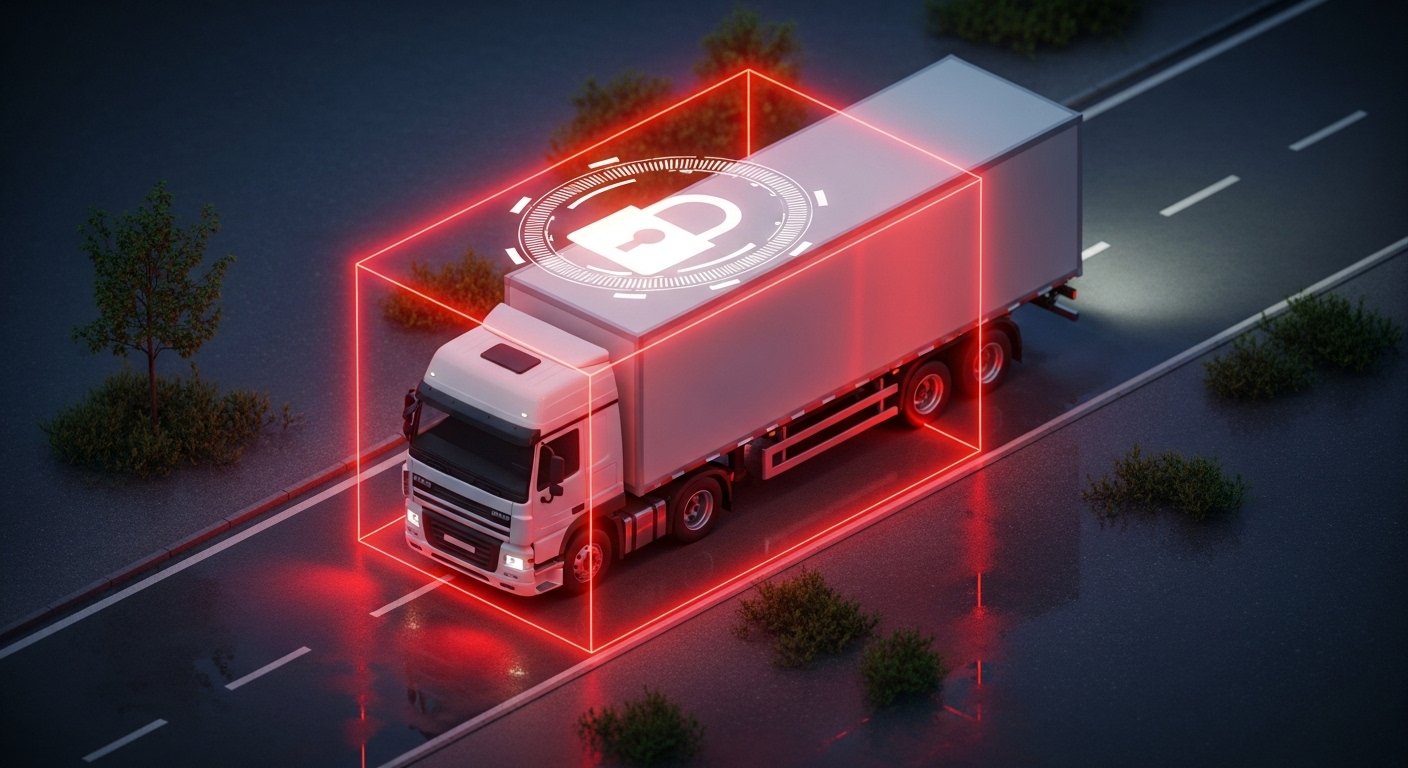
- Geofencing and Asset Security: Think of a geofence as a digital tripwire. Fleet managers can draw virtual boundaries around parking lots, worksites, or specific cities. If a truck leaves that boundary at 2:00 AM on a Sunday, the platform immediately triggers an alert. It’s one of the most effective tools available for preventing theft and unauthorized vehicle use.
- Driver Behavior Monitoring: Without needing dashcams or invasive cabin tech, a solid GPS tracker uses built-in accelerometers and speed calculations to flag aggressive driving. Protrack logs harsh braking, rapid acceleration, and speeding events. This data is pure gold for liability protection and allows management to correct dangerous driving habits before they result in a crashed van and a massive insurance claim.
- Mileage-Based Maintenance Reminders: Vehicle breakdowns are entirely preventable if you stick to a schedule. Instead of relying on drivers to check their odometers and report back, the GPS platform tracks the exact mileage and engine hours. You can set automated alerts for oil changes, tire rotations, and general servicing, keeping the fleet on the road and out of the repair shop.
Real-World Impact: What Happens When the Blindfold Comes Off
The theory of GPS tracking is great, but the application is where businesses actually survive or fail.
The Logistics Operator
Consider a regional logistics company bleeding cash due to inflated overtime and high fuel bills. Before implementing GPS, dispatchers had no way to verify driver logbooks. After installing Protrack devices across their 50-truck fleet, the data revealed widespread excessive idling and significant off-route mileage. By simply enforcing company policies using the tracking data, they didn’t just save fuel—they cut operational costs by nearly 20% in six months, simply because the drivers knew they were on the radar.
The HVAC Service Provider
In field service, time is literally money. An HVAC company was struggling with a chaotic dispatch process, relying on technicians to call in when they finished a job. This led to massive gaps in the schedule. By putting Protrack’s platform on a monitor in the dispatch office, coordinators could visually track the entire fleet. When an emergency “no heat” call came in, they stopped calling around to see who was free and simply dispatched the van that was three streets away. Daily completed jobs increased by 15% purely through visual dispatching.
The Freight Transporter
Cargo theft and unauthorized cab use are nightmares for freight companies. One mid-sized transporter was struggling with drivers taking rigs off-route for personal use. By utilizing Protrack’s geofencing feature, management set strict perimeters for approved rest stops and authorized routes. When a truck deviated, an alert was fired. This immediate oversight cut unauthorized mileage to zero and provided a concrete theft-recovery mechanism that ultimately lowered their insurance premiums.
Navigating the Future of Fleet Tech
While the tech industry loves to hype up fully autonomous trucks and predictive AI, the actual future of standard fleet tracking is much more pragmatic. For the vast majority of businesses, the focus is shifting toward network reliability and data security.
As global telecom networks transition—shutting down older 2G and 3G networks to make way for 4G LTE and beyond—having future-proof hardware is non-negotiable. Protrack’s focus on manufacturing reliable hardware ensures businesses aren’t left with obsolete “bricks” when network standards change.
Furthermore, as fleets become more connected, the security of the platform hosting that data is paramount. The future belongs to manufacturers who control both the hardware and the software, ensuring a secure, unbroken chain of data from the vehicle to the dispatcher’s screen.
At the end of the day, you don’t need a tracker that makes you a cup of coffee. You need a system that works, every single time you log in. By focusing on robust visibility, strict behavioral accountability, and reliable alerts, businesses can build a leaner, safer, and far more profitable fleet.