For a fleet manager, the phone call that a vehicle is missing is a nightmare scenario. It’s not just about the cost of the stolen truck or van; it’s the domino effect that follows. You have missed deliveries, angry clients, a paralyzed crew, and an insurance premium that is about to skyrocket.
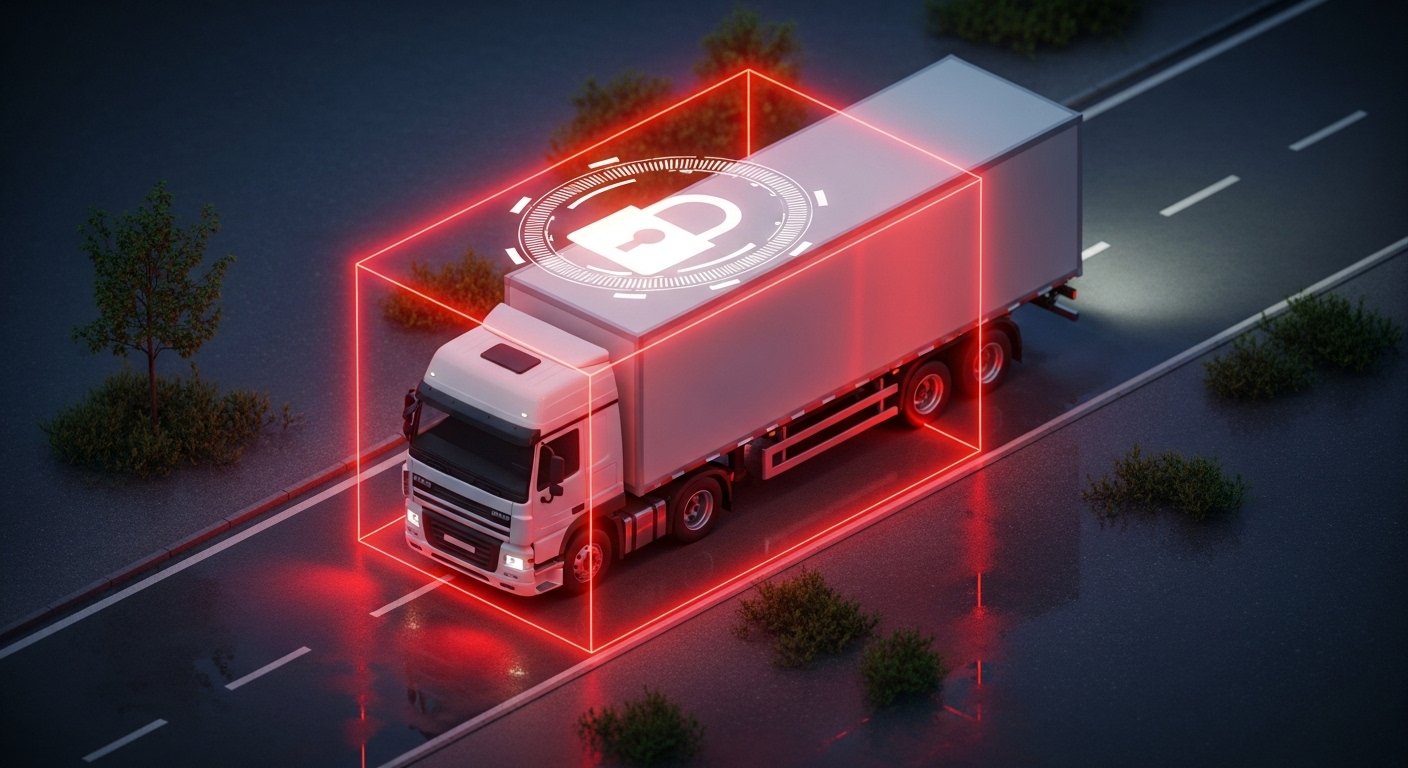
In an era where thieves are using signal relay boxes to hack keyless entries in seconds, a basic “lock the doors” policy isn’t enough. You need a defense in depth strategy.
Here is a comprehensive, practical guide to hardening your fleet against theft, moving beyond the basics and into actionable strategies.
- The Digital Shield: Beyond “Dots on a Map”
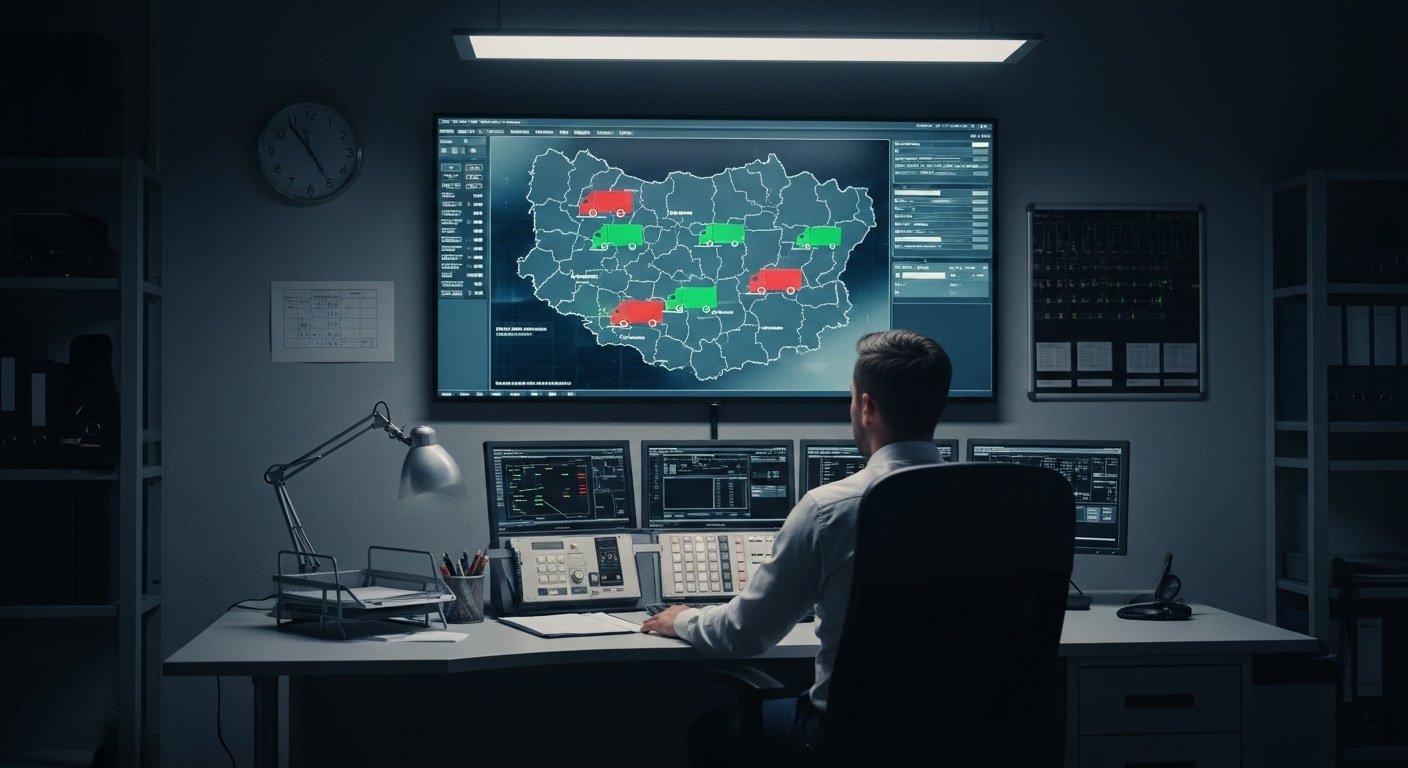
Most companies install GPS trackers and forget about them until something goes wrong. That is a mistake. A modern system like Protrack GPS isn’t just for recovery; it is a proactive prevention tool if configured correctly.
Don’t just track; automate your vigilance:
Geofencing with Teeth: Don’t just set a boundary around your city. Set tight “Safe Zones” around your depot or job sites. Configure the Protrack platform to trigger an instant SMS or push notification if a vehicle exits these zones without authorization. Speed of detection is everything.
Time-Based Curfews: Your service vans shouldn’t be moving at 3:00 AM. Set alert rules for “Unauthorized Hours.” If an ignition turns on outside of shift hours, you should know about it before the vehicle leaves the parking lot.
Remote Immobilization: This is the nuclear option. Advanced setups allow you to remotely cut the fuel or ignition via the app. If a thief manages to start the vehicle, you can bring it to a safe stop from your smartphone, turning a theft into a minor inconvenience.
- The Physical Layer: Make It Too Hard to Bother
Thieves are opportunistic. They want the low-hanging fruit. Even with high-tech GPS, you want visual and physical deterrents that make a thief look at your truck and say, “Not worth the hassle.”
Visual Deterrents: An old-school steering wheel lock or a bright yellow pedal clamp serves a purpose. It signals to the thief that this will take time and noise to bypass.
Catalytic Converter Shields: Theft of catalytic converters is plaguing fleets because they are easy to slide under and cut off. Installing clamped cages or shields can save you thousands in repairs and weeks of downtime.
OBD-II Port Locks: sophisticated thieves use devices to plug into the vehicle’s diagnostic port to program new keys. A simple metal lock over the OBD port blocks this digital attack vector.
- The Human Firewall: Driver Culture
You can have the best tech in the world, but it fails if a driver leaves the keys in the ignition during a delivery drop-off. Building a “Security First” culture is your most cost-effective strategy.
The “Engine Off” Rule: It sounds simple, but “puffing” (leaving the car running to warm up or keep AC on) is a leading cause of theft. Enforce a strict policy: if the driver isn’t in the seat, the keys aren’t in the ignition.
Key Management: Where do the keys go at night? If they are hanging on a peg board just inside the office door, you are vulnerable to a break-in. Invest in a secure, steel key management locker.
Faraday Pouches: If your fleet uses keyless entry/push-to-start, provide drivers with signal-blocking Faraday pouches. This prevents thieves from using relay devices to amplify the key fob signal from inside a driver’s house to open the car in the driveway.
- Rapid Response Protocol
If the worst happens, panic is your enemy. You need a pre-planned checklist.
Verify via Protrack: Confirm the movement is unauthorized (and not just a scheduled maintenance run you forgot about).
Locate & Track: Open your Protrack GPS dashboard. Do not try to intercept the thief yourself—that is dangerous and a liability.
Share Live Data: Modern tracking platforms allow you to generate a temporary “share link” of the vehicle’s real-time location. Send this directly to law enforcement. It allows dispatchers to guide patrol cars directly to the moving target, vastly increasing recovery rates.
The Bottom Line
Protecting your fleet requires a layered approach. It’s the combination of smart technology (like Protrack GPS), physical barriers, and disciplined drivers that creates an impenetrable wall.
Don’t wait for a loss to upgrade your security. The cost of prevention is always lower than the cost of replacement.