Understanding Government Vehicle Pools
Government vehicle pools represent a systematic approach to managing the transportation needs of public sector agencies. Comprising a wide variety of vehicles—from sedans to heavy-duty utility trucks—these fleets are designed to facilitate the efficient execution of governmental responsibilities. Each pool is shared by multiple divisions within an agency, providing common access to vehicles that support diverse public service operations, such as law enforcement, emergency response, and transportation for staff and officials.
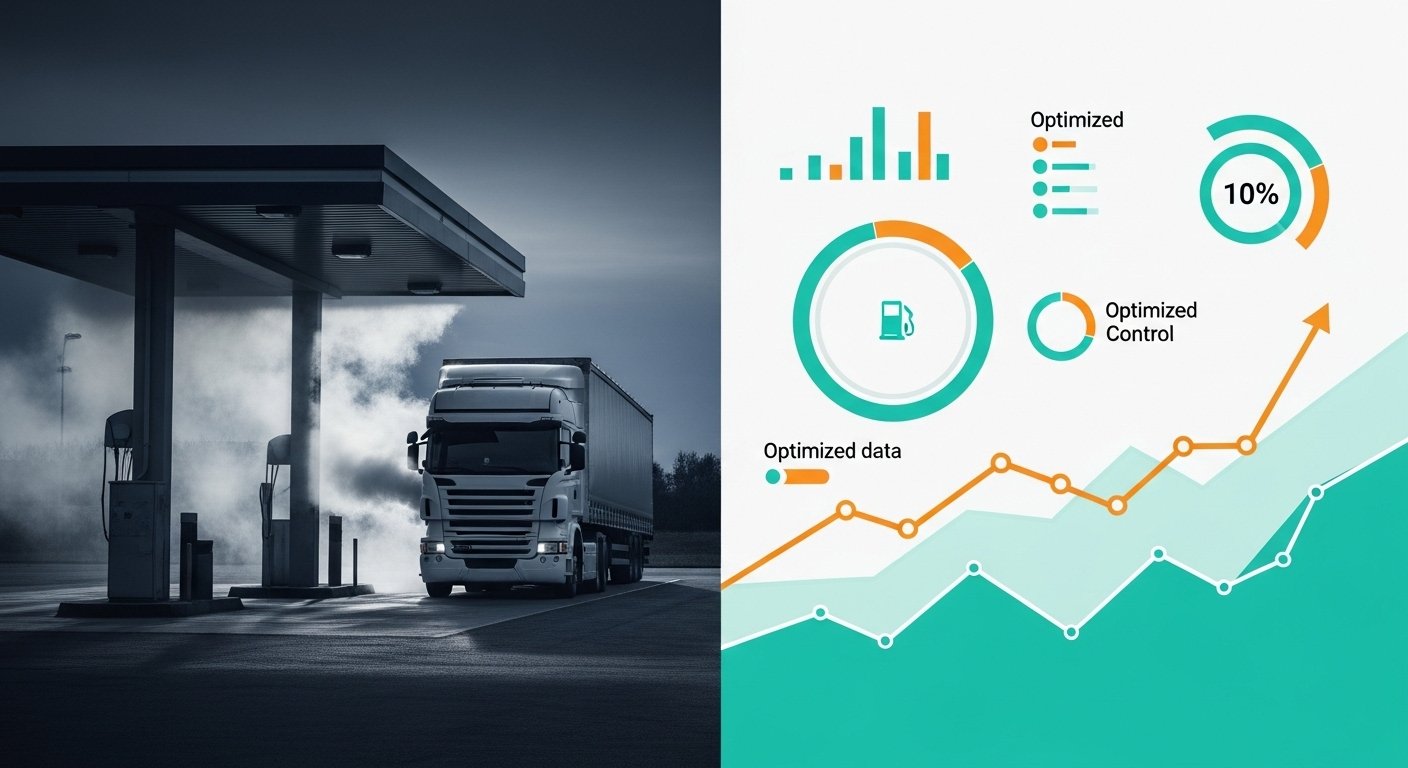
The primary purpose of these vehicle pools is to optimize resource usage, ensuring that every vehicle is allocated efficiently based on real-time needs. This not only contributes to cost-effectiveness but also improves accountability within government fleet management practices. By consolidating vehicles, agencies can maximize asset utilization while reducing idle time. Effective management is crucial for maintaining a balance between operational accessibility and budget constraints.
In terms of usage patterns, vehicles in government pools are often required for various tasks, including official travel, civil service duties, and emergency response missions. While the versatility of these vehicles allows for broad operational capabilities, this flexibility poses specific challenges. These include determining the optimal fleet size, budgeting for maintenance and operational costs, and implementing measures to prevent unauthorized use. Furthermore, without strict allocation protocols, monitoring and accountability can become complicated.
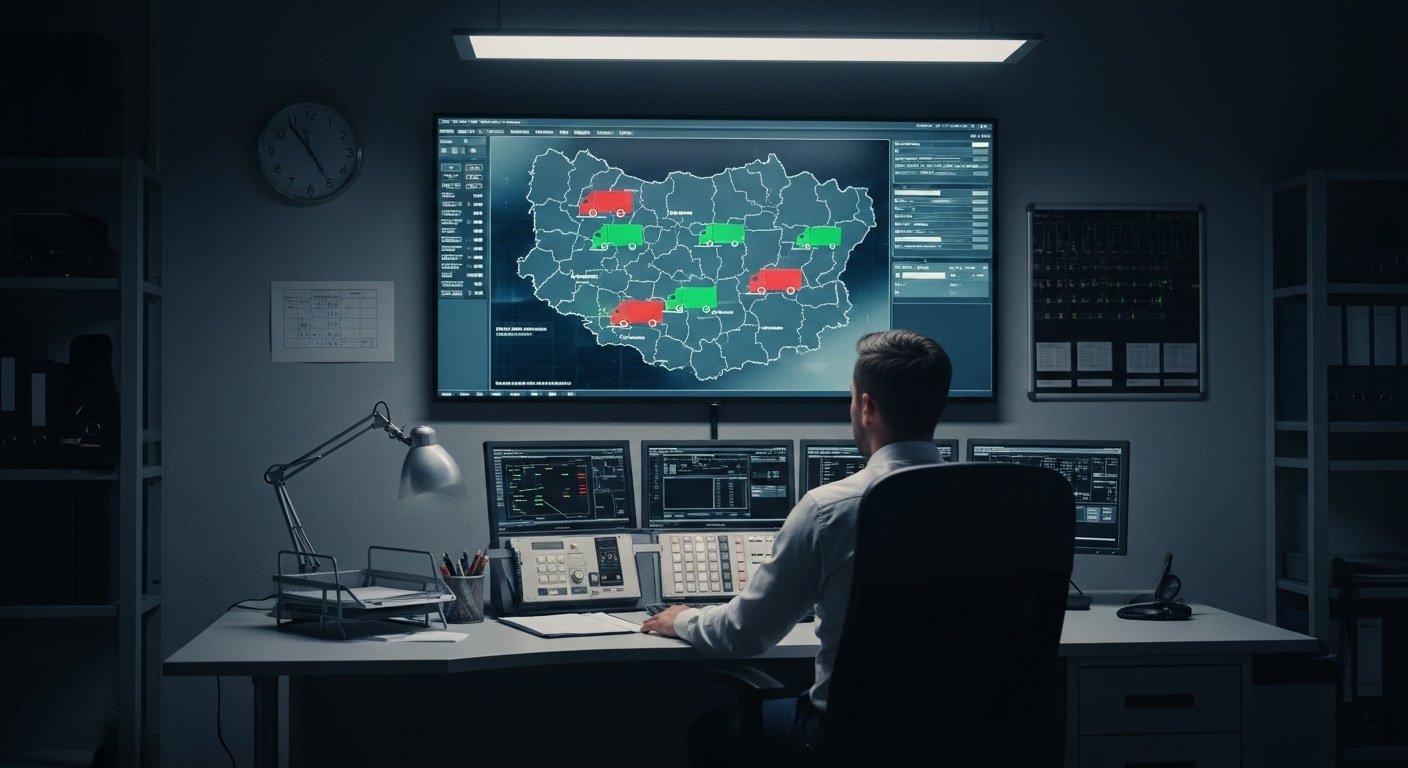
To manage vehicle pools effectively, advanced solutions like the Protrack GPS tracking system are invaluable. This robust technology allows agencies to monitor their fleet’s movements, helping to prevent unauthorized use while ensuring vehicles are assigned based on genuine need. With Protrack, government entities can achieve a higher level of oversight and efficiency, thereby improving service delivery while reducing operational costs.
The Challenge of Unauthorized Use
Unauthorized use of government vehicles poses significant challenges in the realm of fleet management. Misuse can manifest in various ways, such as employees using vehicles for personal errands or commuting to non-work-related locations. Such behavior not only leads to inefficient management of resources but also incurs unnecessary costs, ultimately impacting taxpayer funding. For instance, when government vehicles are used for personal purposes, the associated fuel and maintenance costs escalate, diverting funds that could have been allocated to essential public services.
Furthermore, the legal implications of unauthorized use cannot be overstated. Mismanagement can lead to violations of policies and regulations, exposing both individual employees and governing bodies to potential liability. Instances of vehicle theft or damage occurring during unauthorized use further complicate liability and recovery efforts, highlighting the need for robust monitoring systems.
A pervasive issue contributing to this problem is a lack of oversight. When there is inadequate monitoring, employees may feel emboldened to misuse the system without fear of repercussions. Additionally, poor communication regarding appropriate vehicle usage—specifically what constitutes legitimate vs. illegitimate use—can lead to confusion. This is often exacerbated by insufficient training on vehicle policies, leading to unintentional misuse.
To mitigate these issues, agencies can implement solutions like the Protrack GPS tracking system. By equipping vehicles with trackers, fleet managers can ensure that pools are used appropriately, fostering a culture of accountability and responsible resource management.
Strategies for Prevention and Accountability
Effectively managing government vehicle pools requires robust strategies aimed at preventing unauthorized use and promoting accountability. The foundation of this approach is the establishment of strict policies that delineate clear guidelines regarding vehicle use, including who is authorized to operate a vehicle and under what circumstances. These policies must be accessible and regularly reviewed to ensure compliance and relevance.
Regular audits play a critical role in maintaining oversight. Conducting thorough audits helps identify patterns of misuse, ensuring that any unauthorized activities are promptly addressed. Moreover, these audits provide an opportunity to evaluate the overall effectiveness of the vehicle management program. Alongside audits, clear communication regarding usage rules is vital. Employees must be informed of the potential consequences of unauthorized use, which extend beyond simple disciplinary action; misuse damages public trust and incurs additional costs for the government.
The integration of advanced technology further bolsters these efforts. The Protrack GPS tracking system represents a significant advancement in government fleet management. This system enables real-time monitoring of vehicle locations, significantly reducing the likelihood of unauthorized trips. Additionally, Protrack provides data on driver behavior and fuel consumption, promoting responsible driving habits. Fuel cards can also be utilized to monitor purchases, ensuring that only authorized individuals have access and that expenses are closely tracked.
To enhance the effectiveness of these strategies, comprehensive training programs should be developed to educate employees about the implications of unauthorized use. These programs should promote a culture of responsibility, emphasizing that every employee plays a role in safeguarding government resources.
Best Practices and Case Studies
Effective management of government vehicle pools is essential for ensuring accountability. Many government agencies have adopted best practices that demonstrate how innovative approaches, combined with technology, can significantly improve fleet management.
A prime example involves a state department overseeing a diverse range of vehicles. Facing challenges related to unauthorized use, the department conducted a comprehensive review of its management practices. By integrating the Protrack GPS tracker, they were able to monitor vehicle locations in real-time, effectively eliminating opportunities for misuse. The results were significant: the agency reported a 30% reduction in unauthorized trips and a notable improvement in overall accountability among staff.
Another successful implementation was observed in a city government’s transportation division, which sought to optimize its vehicle pool resources. By adopting a centralized vehicle booking system alongside GPS tracking technology, the division could accurately assess demand and adjust the fleet size accordingly. This approach not only improved service delivery but also enhanced sustainability. The data gathered allowed for informed decisions regarding vehicle maintenance and usage costs, ensuring resources were used efficiently.
These case studies reflect the critical role of technology in modern government fleet management. Emphasizing accountability through robust monitoring systems like Protrack not only prevents unauthorized use but also streamlines the entire management process. Agencies looking to improve their vehicle pool operations should regularly review and adjust their strategies based on real-time data and proven best practices.