Introduction aux opérations de flotte en Amérique du Sud
Les opérations de la flotte en Amérique du Sud englobent une interaction complexe de facteurs géographiques, climatique, et facteurs économiques qui façonnent de manière unique la gestion et l’efficacité des services de transport à travers le continent. Le paysage vaste et diversifié s'étend des déserts arides aux jungles denses et aux montagnes imposantes., chacun présentant des défis distincts. Naviguer sur des terrains variés complique souvent la planification des itinéraires et a un impact sur les délais de livraison, nécessitant ainsi une adaptabilité stratégique dans la gestion de la flotte.
De plus, L’Amérique du Sud connaît un large spectre de climats, ce qui peut avoir un impact sur les performances et l’entretien du véhicule. Par exemple, dans les zones sujettes à de fortes précipitations, les flottes doivent faire face aux dommages potentiels sur les routes et aux inondations, tandis que les régions touchées par une chaleur extrême peuvent entraîner une augmentation des coûts de carburant et une usure des véhicules. Comprendre ces facteurs liés au climat est essentiel pour une gestion efficace de la flotte, permettant aux entreprises d'anticiper et d'atténuer les défis opérationnels qui surviennent en raison des conditions environnementales.
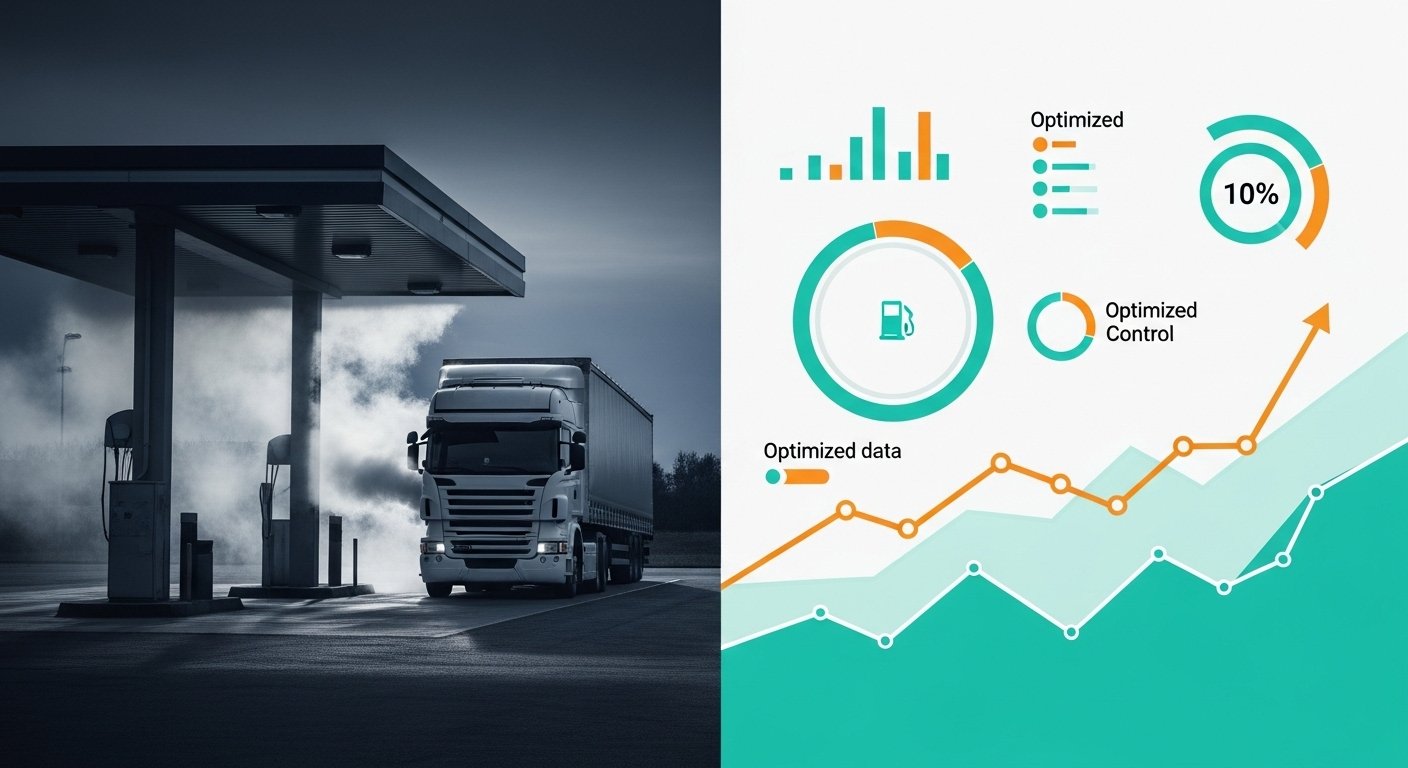
Le paysage économique en Amérique du Sud est tout aussi diversifié, marqué par des marchés fluctuants et des niveaux variables de développement des infrastructures selon les pays. Les opérations efficaces de la flotte doivent tenir compte des conditions économiques locales qui peuvent influencer les coûts du carburant., disponibilité de la main d'œuvre, et environnements réglementaires. Particulièrement, la mise en œuvre de technologies avancées, comme le traceur GPS Protrack, peut aider les flottes à relever les défis opérationnels en fournissant des données et des informations en temps réel sur les performances et le positionnement, optimisant ainsi les itinéraires et réduisant les temps de trajet.
En outre, les réglementations régionales et locales affectent de manière significative les pratiques opérationnelles des gestionnaires de flotte opérant dans ce secteur. Il est essentiel d'avoir une connaissance à jour des exigences de conformité, car les réglementations peuvent différer considérablement selon les frontières et les municipalités. En plus, les différences culturelles peuvent affecter les interactions avec les clients et les attentes en matière de service, obliger les exploitants de flotte à adapter leurs stratégies en conséquence. Comprendre ces facteurs permettra aux équipes de gestion de flotte de relever efficacement les défis de la flotte et d'améliorer les performances opérationnelles globales en Amérique du Sud..
Principaux défis opérationnels auxquels sont confrontées les flottes
Les opérations de flotte en Amérique du Sud sont de plus en plus compliquées par une série de défis opérationnels qui ont un impact significatif sur l'efficacité et la rentabilité.. Un problème majeur concerne les perturbations de la chaîne d’approvisionnement, souvent exacerbée par l’instabilité politique et les fluctuations économiques dans divers pays. Ces perturbations peuvent entraîner des retards dans les livraisons de véhicules, disponibilité des pièces, et service global, compliquant encore davantage les défis auxquels les flottes sont confrontées pour maintenir des opérations cohérentes.
En plus, l’entretien des véhicules et la disponibilité des services présentent des obstacles importants. De nombreux exploitants de flotte ont du mal à trouver des centres de service fiables, surtout dans les régions éloignées. Cette difficulté peut entraîner des temps d'arrêt prolongés pour les véhicules, impactant la productivité globale. De plus, le manque de techniciens qualifiés pour gérer les tâches de maintenance ajoute une autre couche de complexité à la gestion de la flotte. Un bon entretien des véhicules n’est pas seulement vital pour l’efficacité opérationnelle; cela affecte également la sécurité et le respect des réglementations locales, soulignant la nécessité d’une approche stratégique de la maintenance.
La pénurie de main-d'œuvre constitue un autre défi important pour les gestionnaires de flotte en Amérique du Sud. La demande de chauffeurs et de personnel d'assistance qualifiés est élevée, mais l'offre reste limitée. Ce déséquilibre peut entraîner une augmentation des coûts de main-d'œuvre et décourager de nombreuses entreprises d'étendre leurs activités.. En outre, des défis tels que les embouteillages peuvent aggraver ces problèmes, car les véhicules passent plus de temps sur la route, entraînant une augmentation des coûts de carburant et une efficacité de livraison réduite.
À une époque où les entreprises sont appelées à voter activement sur les problèmes de flotte et à rechercher des solutions innovantes, l'adoption de technologies avancées telles que le tracker GPS Protrack et la plateforme de suivi GPS Protrack apparaît comme essentielle. Ces outils peuvent fournir des informations en temps réel sur l'emplacement des véhicules, optimiser les itinéraires pour lutter contre les embouteillages, et aider les gestionnaires à mieux superviser les performances de la flotte. Ainsi, Comprendre et relever ces défis opérationnels est essentiel pour les opérateurs de flotte qui s'efforcent d'améliorer leur résilience et leur efficacité commerciales sur le marché sud-américain dynamique..
Stratégies pour relever les défis
Relever efficacement les défis opérationnels auxquels sont confrontées les flottes en Amérique du Sud, les gestionnaires peuvent adopter diverses approches stratégiques qui améliorent l’efficacité opérationnelle et réduisent les coûts. L'une des principales stratégies consiste à optimiser la planification des itinéraires. En utilisant des analyses avancées et des données en temps réel, les gestionnaires de flotte peuvent minimiser la consommation de carburant et éviter les zones sujettes aux embouteillages. Cela réduit non seulement le coût global du carburant, mais améliore également les délais de livraison., améliorant ainsi la satisfaction du client.
L'investissement dans la technologie est un autre élément essentiel pour atténuer les défis liés à la flotte.. La mise en œuvre de solutions telles que le tracker GPS Protrack offre aux gestionnaires de flotte une visibilité en temps réel sur l'emplacement des véhicules et leur état opérationnel.. La plateforme de suivi GPS Protrack permet en outre une surveillance efficace des performances du véhicule., permettant une maintenance en temps opportun et réduisant les temps d'arrêt. En utilisant de telles technologies, les flottes peuvent répondre de manière proactive aux défis opérationnels, assurer une réponse robuste aux incidents imprévus.
L'établissement de relations solides avec des fournisseurs locaux peut également contribuer positivement aux opérations de la flotte.. En comprenant les conditions du marché local et en tirant parti des partenariats, les gestionnaires de flotte peuvent s'approvisionner en matériaux et services plus efficacement. Cette pratique rationalise non seulement les opérations, mais atténue également les risques liés aux interruptions de la chaîne d'approvisionnement., qui peut survenir en raison de divers défis opérationnels ou de changements réglementaires.
Dernièrement, rester informé et s’adapter aux changements réglementaires est crucial pour maintenir la conformité et l’intégrité opérationnelle. Une formation régulière du personnel de la flotte sur les réglementations locales et les meilleures pratiques peut améliorer considérablement les capacités opérationnelles d'une flotte.. Des études de cas réussies provenant de divers pays d'Amérique du Sud démontrent que les flottes qui font preuve de flexibilité et de planification proactive ont tendance à surpasser leurs concurrents confrontés à des défis opérationnels similaires.. Grâce à des efforts dévoués dans ces domaines, les gestionnaires de flotte peuvent réduire considérablement les perturbations et favoriser une flotte plus adaptative et plus résiliente.
Regarder vers l'avenir: Innovations et adaptations
Alors que les flottes font face à la myriade de défis opérationnels en Amérique du Sud, l’innovation et l’adaptation deviennent indispensables à la durabilité et à l’efficacité. L'adoption de nouvelles technologies peut contribuer de manière significative à résoudre des problèmes tels que les coûts du carburant et les embouteillages., présenter aux flottes un avantage stratégique. Le déploiement des véhicules électriques (Véhicules électriques) remodèle déjà les paradigmes du transport, réduisant à la fois les coûts opérationnels et l’empreinte environnementale. Alors que les gouvernements encouragent de plus en plus l’utilisation des véhicules électriques, les flottes peuvent atténuer la pression sur les coûts du carburant tout en contribuant aux objectifs de développement durable.
En plus de l'électrification, la télématique est devenue un outil crucial dans la gestion moderne de flotte. Des solutions telles que le tracker GPS Protrack fournissent des données en temps réel sur les performances et la localisation du véhicule., permettant aux entreprises de surveiller efficacement leurs actifs et d'optimiser les itinéraires. En permettant aux gestionnaires de flotte de voter sur les problèmes de flotte grâce à des informations basées sur les données, la prise de décision est rationalisée, menant à une efficacité opérationnelle améliorée. Cette technologie contribue non seulement à réduire la consommation de carburant, mais contribue également à résoudre les embouteillages en facilitant un meilleur itinéraire et une meilleure planification..
De plus, tirer parti de l’analyse des données peut permettre une compréhension plus approfondie de la dynamique de la flotte. L'analyse des données de performances historiques permet d'identifier les tendances et les modèles, permettre de prendre des mesures anticipatives contre d’éventuelles perturbations. En analysant les défis opérationnels et en affinant les stratégies en conséquence, les opérateurs de flotte peuvent améliorer leur résilience et leur adaptabilité. À mesure que la gestion de flotte évolue, l’importance d’intégrer des pratiques respectueuses de l’environnement devient primordiale. Les entreprises qui accordent la priorité au développement durable répondent non seulement aux exigences réglementaires, mais font également appel à une base de consommateurs de plus en plus consciencieuse..
En conclusion, l'avenir de la gestion de flotte en Amérique du Sud sera caractérisé par l'intégration de technologies innovantes telles que les véhicules électriques, télématique, et analyses de données avancées. En adoptant ces avancées et en nous engageant envers des pratiques durables, les flottes peuvent surmonter les défis opérationnels présents et futurs, ce qui se traduit par des opérations plus robustes et résilientes. La voie à suivre nécessitera une adaptation proactive et une volonté d’évoluer avec le paysage changeant de la logistique et du transport..